Brabants Hoen (Brabançonne)
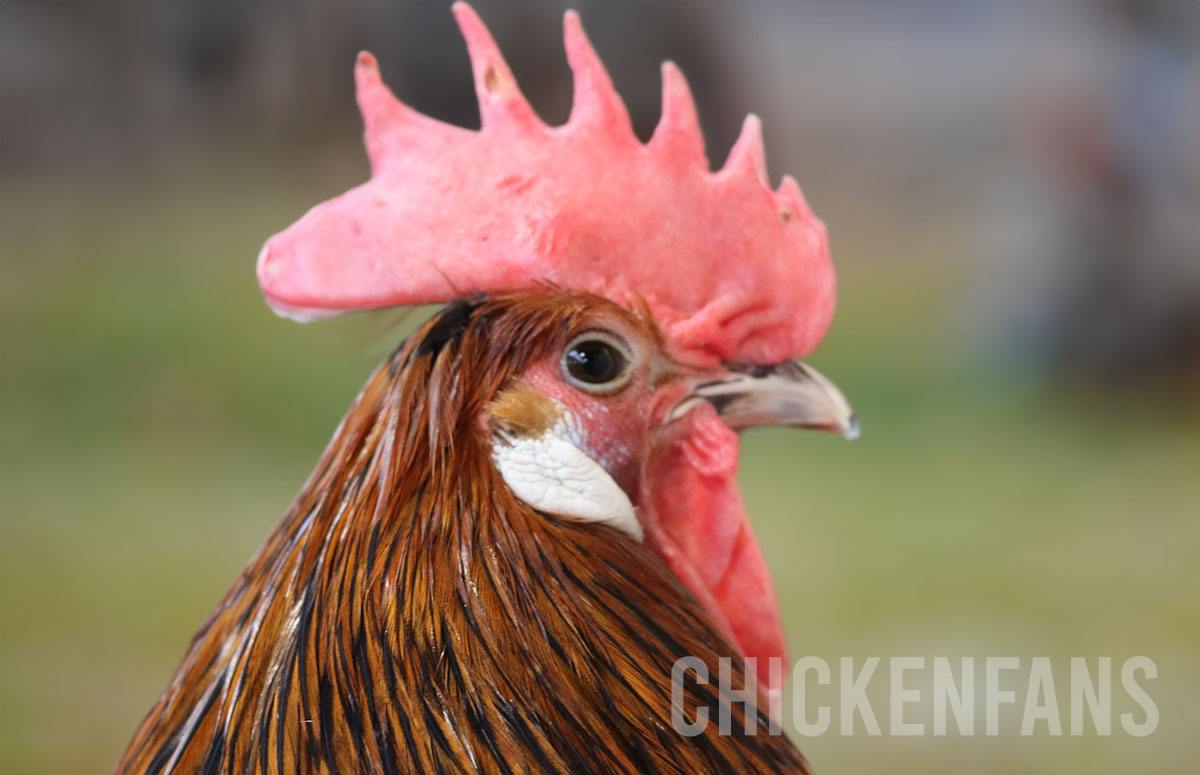
The Brabants hoen is Belgium’s classic crested landrace. It has a slim, conical body, a tidy crest, and a sex-typical single comb: upright in roosters, S-shaped and falling in hens. It earned fame for its large white eggs, and can be seen in Belgian paintings from Albert Cuyp and Melchior d’Hoendecoeter since the 17th century.
Some takeaways:
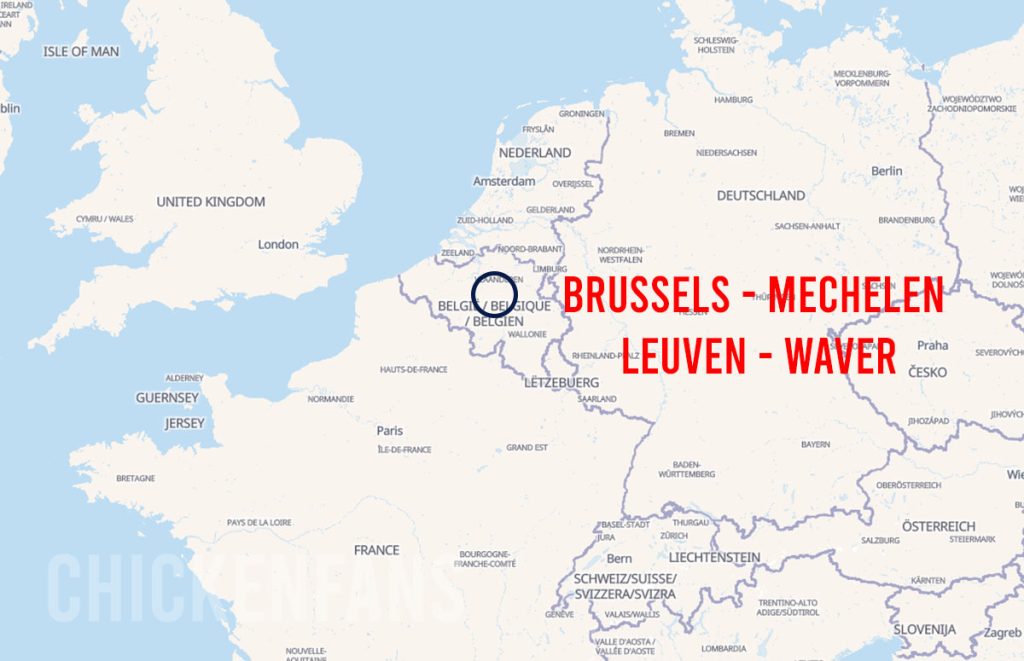
- Belgian landrace from the Brussels–Wavre–Leuven–Mechelen region
- Conical body type with small crest
- Hen’s combs have a double S-bend
- Excellent layer of large white eggs (65–70 g); up to ~200 a year
- Rare but steadily recovering thanks to dedicated breeders
- Standard and bantam (Brabants kriel)
- The only Belgian crested race left
| Eggs | up to ~200 per year |
| Egg Color | White |
| Egg Size | Large (65–70 g) |
| Weight | Rooster 2.0–2.5 kg; Hen 1.5–2.0 kg |
| Hardiness | Hardy |
| Temperament | Alert, active, initially shy; tames with handling |
| Beginner-friendly | Moderate |
| Color | Varies |
Characteristics
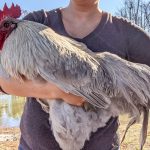
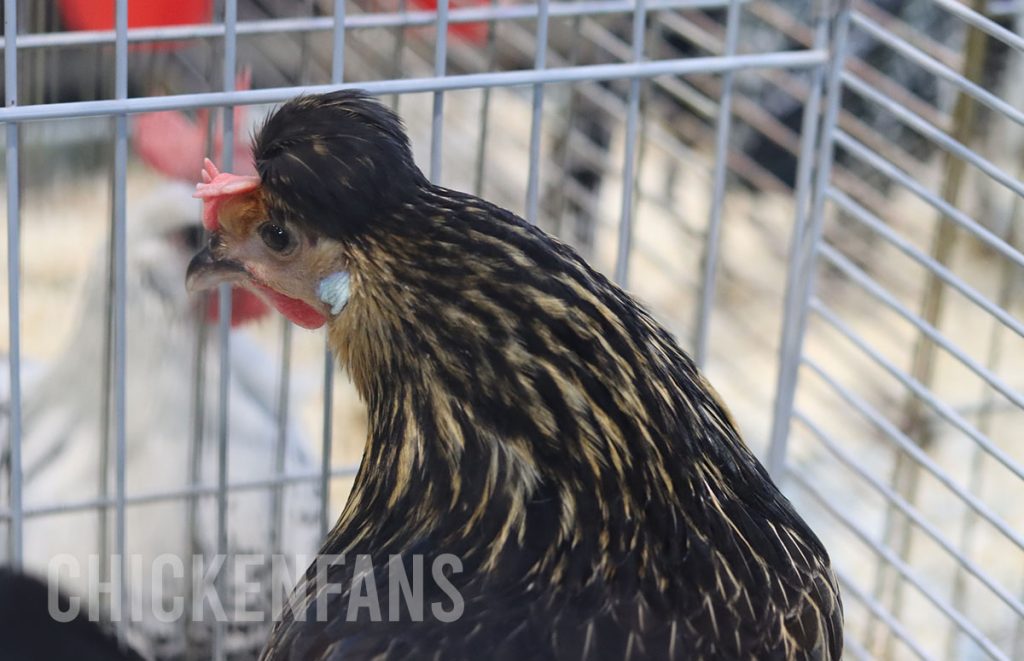
The birds have modest crests that grow from the cranial knob. Roosters have a narrow, upright single comb that can overtop the crest; hens have a single comb with a double S-shaped kink that leans against a rounded crest.
Brabantse hoenders are lightly built landfowl with a long body and long back. The tail is carried high but not fully spread, while the wings are tight to the body.
Legs are clean and slate-blue. The earlobes are small and white. And the eyes are dark brown (sometimes near black).
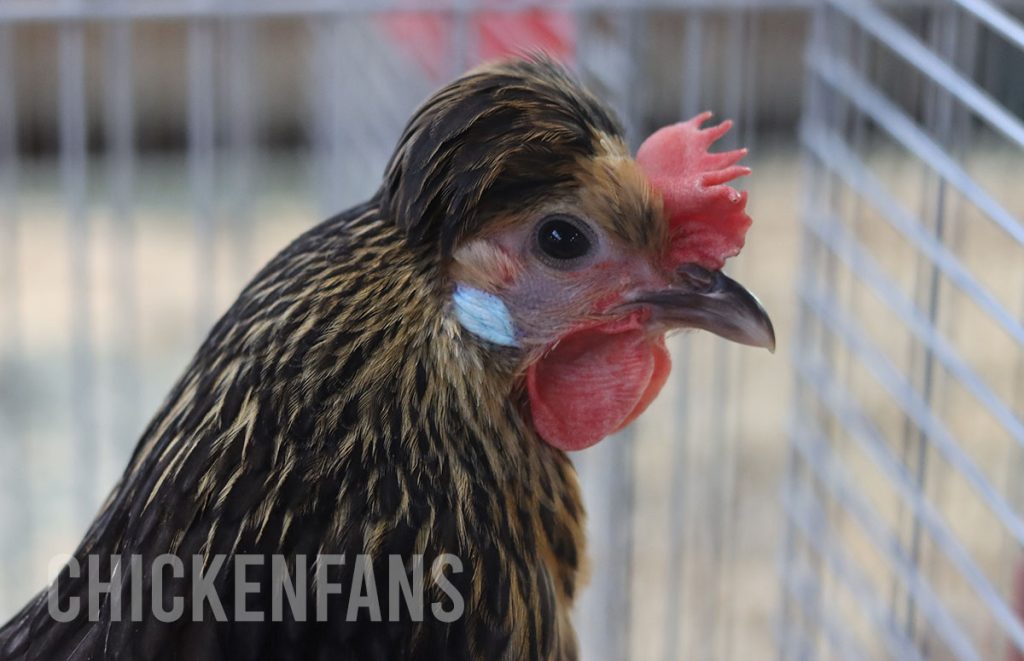
As a Belgian representative, the breed is most often bred in quail (kwartel) and related colors. Recognized colors in Belgium include quail, silver quail, blue quail, blue-silver quail, black, blue, white, buff, columbia, and buff columbia; around a dozen color varieties exist.
There is also a bantam version, the Brabants kriel, which mirrors the standard bird in type and character.
Naming note: the breed has many name, and is also known as Brabançonne, Topman, or Houpette. Do not confuse it with the Dutch Brabanter; they are different breeds!
Egg Production
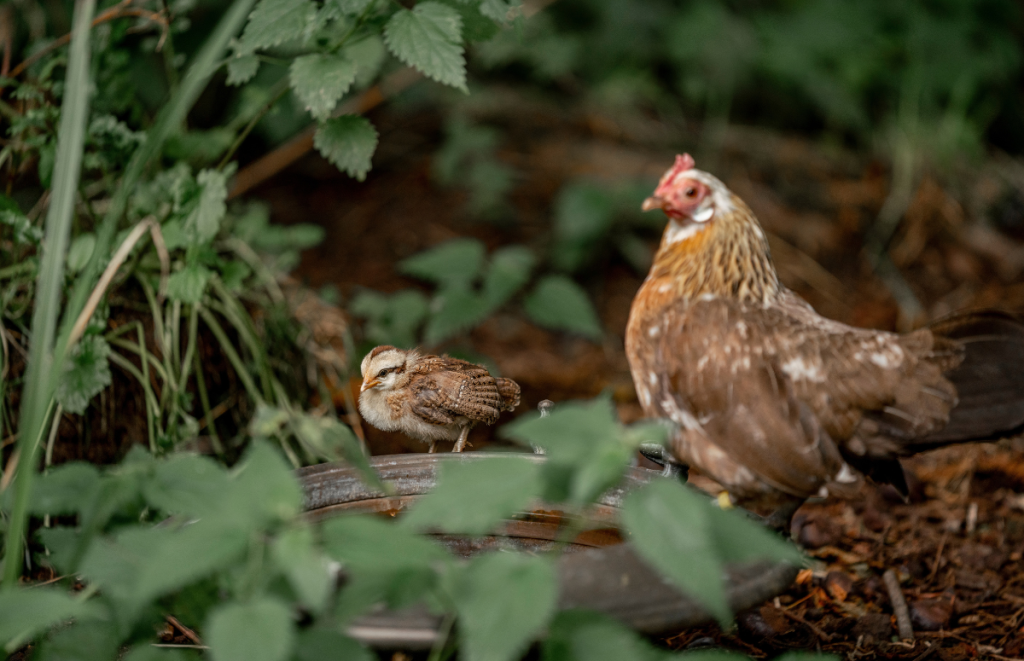
Hens are very good layers. Expect large white eggs of about 65 to 70g. Historical accounts note hens laying close to 200 eggs per year.
They mature relatively late, often starting at 6 or 7 months. Broodiness is uncommon.
Personality
The Belgian Brabançonne chicken is an active, industrious forager and a capable flyer. They need ample space or a well-covered run. High fencing goes a long way.
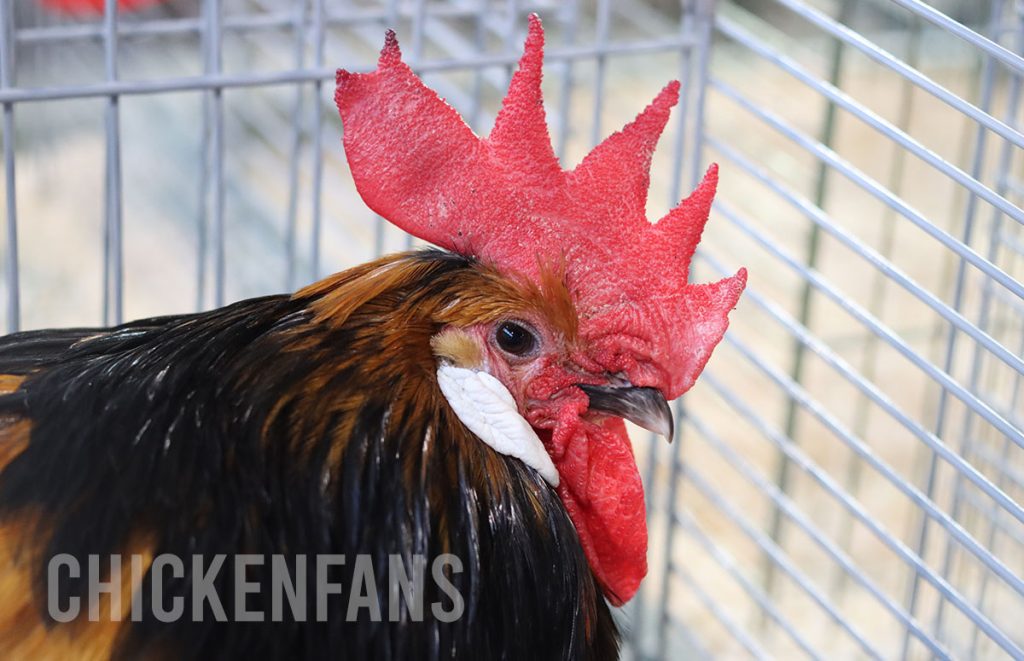
According to breeders, birds can be reserved at first but tame well with patient handling.
History
The Brabants hoen is a local crested breed. The origins took shape in the farm belt around Brussels, Wavre, Leuven, and Mechelen in the mid-1800s.
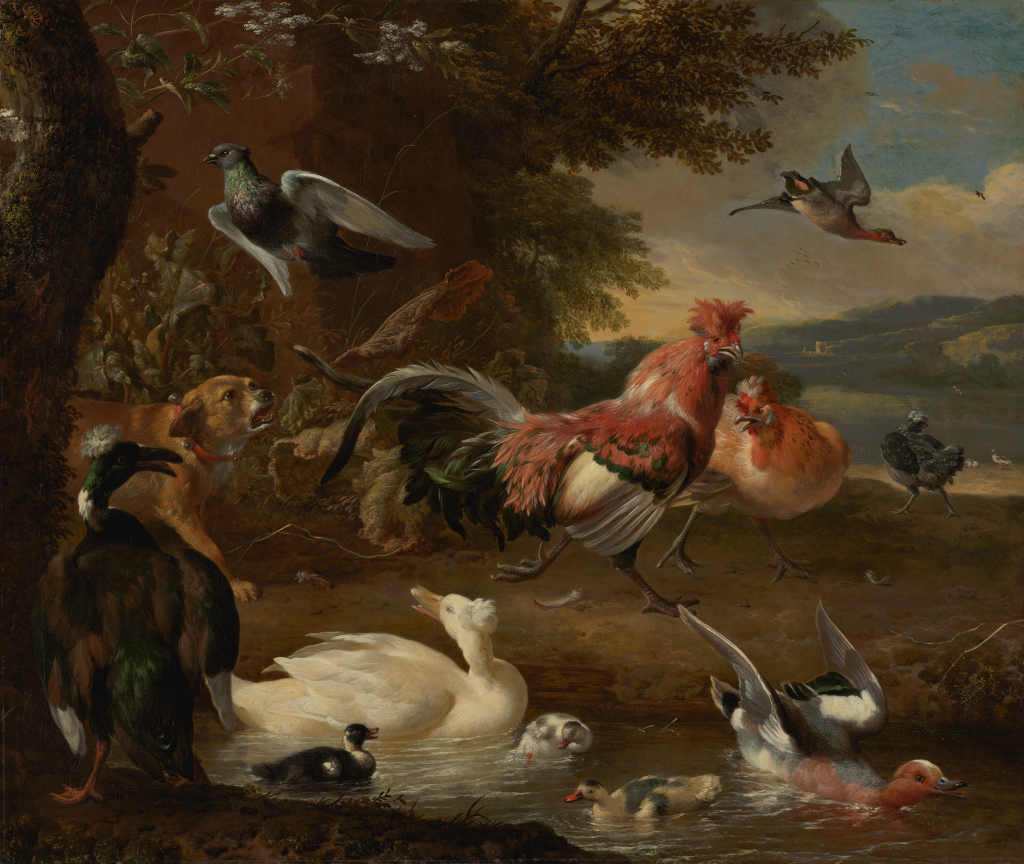
17th and 18th century painters like Albert Cuyp and Melchior d’Hondecoeter already pictured barnyard fowl with crests and the slim, conical look we recognize today in the Brabants hoen. Here is one example called Chickens and Ducks (ca. 1660-90), oil on canvas:
In Flanders people called the bird Topman, while in Wallonia it was a Houpette. The name Brabançonne came later and likely points to its home region, or even to the Belgian tricolor flag.
By the late 19th century, breeders started to select the birds more strictly. In 1903, they founded a specialty club, and the breed enjoyed a real boom. New color varieties appeared, with quail becoming the signature look.
Unfortunately, World War I broke that momentum. After the war, Leghorns and later industrial hybrids took over the egg market. The Brabants hoen faded from farms and survived only thanks to a handful of stubborn Belgian enthusiasts.
That dedication paid off. Although the birds is still rare, numbers are rising again, and the Brabants hoen is back in the spotlight for its big white eggs, neat crest, and very Belgian story.
Summary
The Brabants hoen is one of Belgium’s elegant crested landfowl. It combines a distinctive silhouette and crest with real utility: large white eggs and a strong foraging drive. Provide room to roam, secure fencing, and steady handling, and this historic breed will thrive.