Yakido Chicken: Japan’s Small but Tough Gamefowl
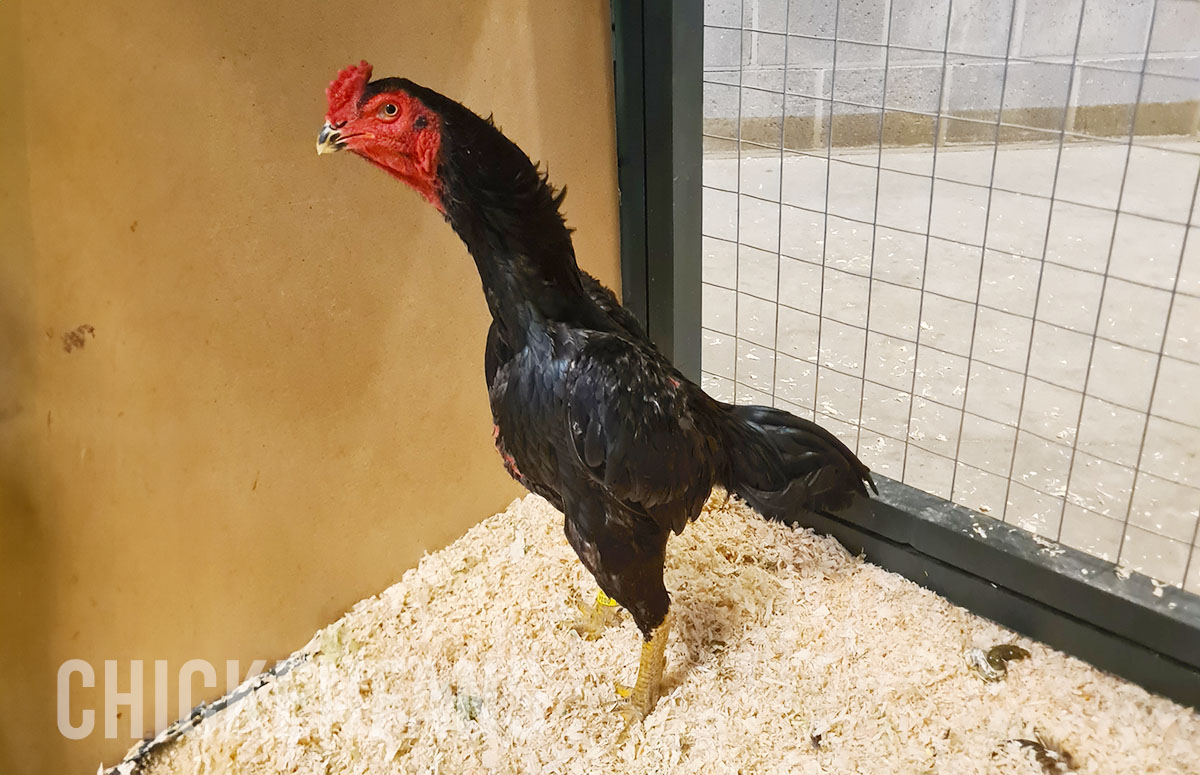
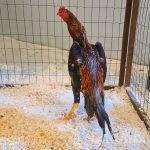
The Yakido may not be the largest bird in the Japanese gamefowl family, but what it lacks in size it makes up for in grit. Originally bred in the 19th century as sparring partners for larger fighting roosters, Yakido chickens are compact, upright, and self-assured. They carry the unmistakable Shamo posture: tall stance, muscular build, fierce expression, but all in a smaller frame.
Key takeaways:
- Originated around 1850 in the village of Yakido, Japan
- Bred as sparring partners to train bigger fighting roosters
- Considered a true bantam gamefowl (no large counterpart exists)
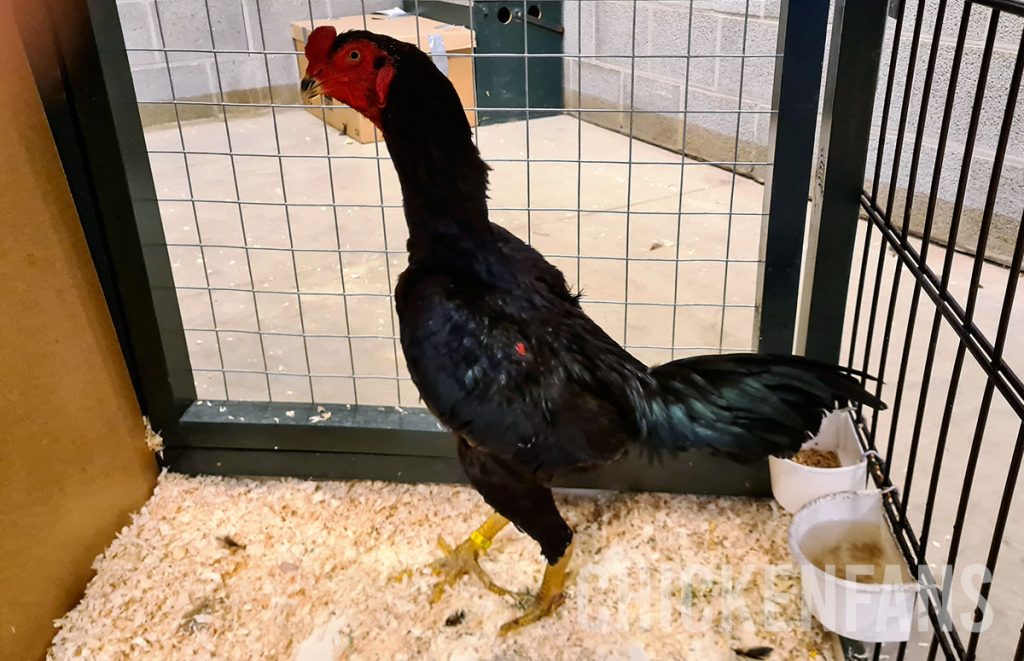
- Small triple comb, red face, yellow legs
- Rare and valued today for cultural heritage and exhibition
- Robust, upright, self-confident birds
Characteristics
Yakido stand tall and proud despite their smaller size. Roosters typically weigh about 6 lbs (2.7 kg), while hens average around 5 lbs (2.3 kg). Their build is compact but powerful, echoing the Shamo style: upright stance, broad shoulders, hard feathering, and a penetrating gaze.
A hallmark feature is the small red triple comb, along with clean yellow legs and a tight, muscular body. Unlike many bantams, the Yakido is not a scaled-down version of a larger breed: it’s an original bantam gamefowl, developed specifically in its size class.
Name & Origins
The breed’s name comes from Yakido, the Japanese village where it was created in the mid-1800s. At the time, cockfighting was a popular pastime, and large Shamo roosters were trained for combat. Yakido birds served as their sparring partners, providing practice fights without risking the prized heavyweight champions.
This functional origin explains their gamefowl look and feisty personality, even though Yakido themselves were not typically fought in high-stakes matches.
Timeline of the Yakido:
- ~1850: Yakido developed in Yakido village, Japan, for use in cockfighting training
- 19th century: Spread among fighting enthusiasts as essential training birds
- 20th century: Recognized as a distinct bantam-type gamefowl
- Today: Rare outside Japan; preserved mainly by enthusiasts and cultural associations
Personality
Yakido are robust, tough, and self-confident. Just as you’d expect from a sparring-bred chicken. Roosters can be aggressive toward each other and should be housed separately. With humans, however, they are often manageable and can even become trusting once handled regularly.
Their smaller size makes them much less intimidating than giant Shamo roosters, but they still radiate that better-don’t-mess-with-me aura.
Color Varieties
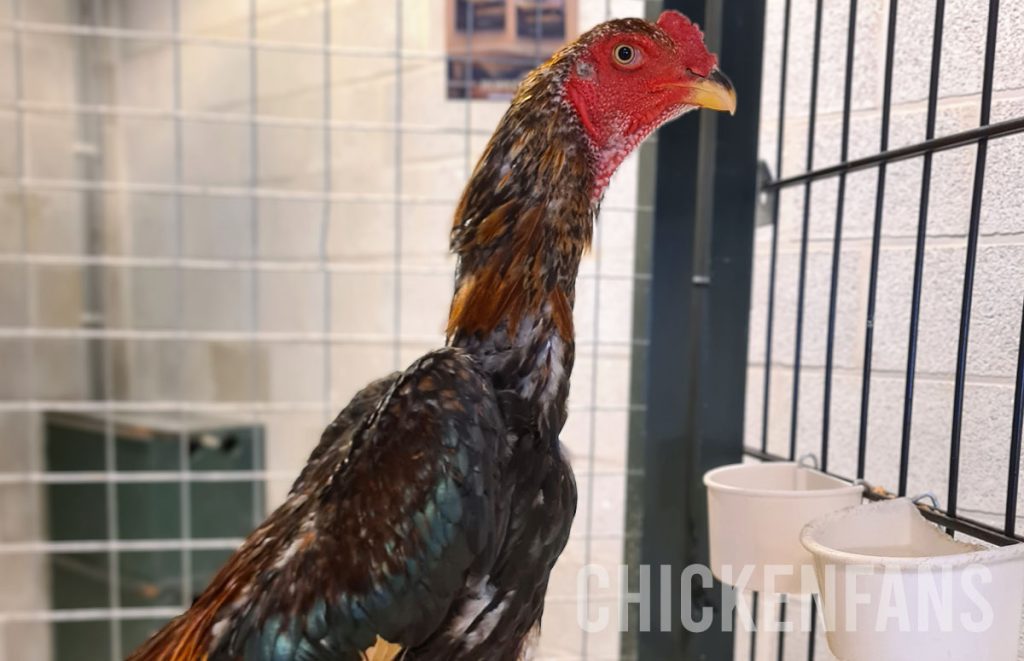
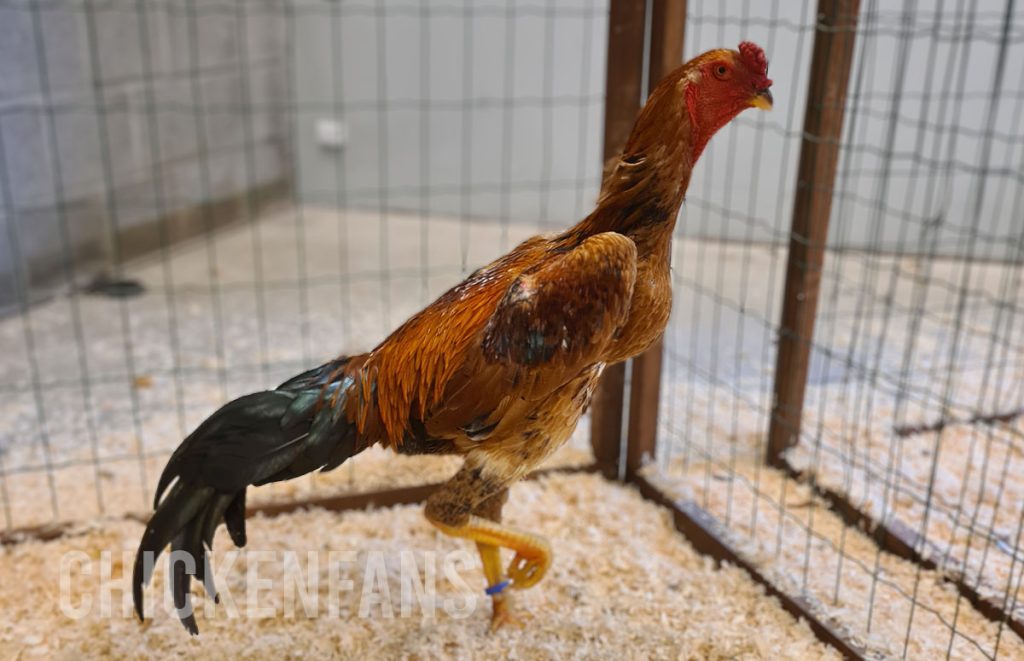
Yakido are most often found in dark, simple plumage, black or black-red being common. The breed standard emphasizes type and posture over fancy coloration.
Yakido and the Shamo Connection
Yakido is considered part of the Shamo classification, which includes well-known gamefowl like the Ō-Shamo (large Shamo), Ko-Shamo (small Shamo), Yamato-Shamo, and others.
- Shared bloodline: Like the other Shamo, Yakido carries the Malay-type body shape: upright stance, long neck, broad shoulders, and a serious, almost hawk-like expression.
- Size difference: What sets Yakido apart is its scale. Where the Ō-Shamo can weigh over 12 lbs (5–6 kg), Yakido roosters are around 6 lbs (2.7 kg). It is a true bantam gamefowl, not a miniature of a larger breed but a separate, naturally smaller variety.
- Role in cockfighting: Unlike the heavyweight Ō-Shamo, Yakido was not bred for the pit. Instead, it served as a sparring partner and was used to train the larger fighting cocks without risking injury to them. This gave Yakido its reputation as the “practice gladiator” of the Shamo group.
- Modern recognition: While Shamo breeds were declared cultural treasures in Japan in 1941, Yakido remains one of the rarer members of the clan, mostly preserved by dedicated breeders in Mie Prefecture.
In short: Yakido is Shamo blood in a smaller, training-sized body: still upright, still fierce-looking, but designed for a very specific purpose in Japan’s cockfighting culture.
Egg Production
Yakido hens are not Leghorns, they lay only few eggs per year, similar to other gamefowl. Eggs are small to medium, typically light brown in color. They are not kept for utility but for preservation and show.
Yakido Eggs in Modern Research
Though the Yakido was never meant to be an egg layer, recent science has uncovered something surprising: their eggs carry unique nutritional signatures.
A 2022 study compared Yakido with Nagoya (a Japanese utility breed) and a commercial Brown layer. Here’s what researchers found:
- Rich amino acid traits: Despite the smaller size, Yakido eggs showed competitive or even higher levels of key amino acids in the egg white, such as aspartic acid, glutamic acid, and phenylalanine.
- A unique balance: Yakido eggs were the only ones to show strong negative correlations between yolk and albumen amino acids when one went up, the other went down. This unusual pattern hints at a genetic trait not seen in other breeds.
- Future potential: Scientists suggest Yakido could serve as an untapped genetic resource for designing eggs with improved amino acid balance, flavor, or nutrition.
So while you won’t get many eggs from a Yakido hen, the few that appear may hold hidden value. Not in quantity, but in the quality of their amino acid makeup.
Summary
The Yakido is Japan’s bantam-sized gladiator with a Shamo-like stance: compact, upright, and full of fight. Once bred as training partners for larger game roosters, they are now treasured as rare ornamental birds, typical seen on shows.
If you want to find out more about Japanese game fowl breeds, check out our articles on the Yamato Gunkei chicken, the Shamo, the Kyshiu Chibi, the Yakido, the Shoukoku chicken, or the Ko Shamo.