Nystatin For Chickens: Uses, Pros and Cons

Chicken Fans is reader-supported. When you buy through our links, we may earn a commission. Learn more about our privacy policy and disclaimer.
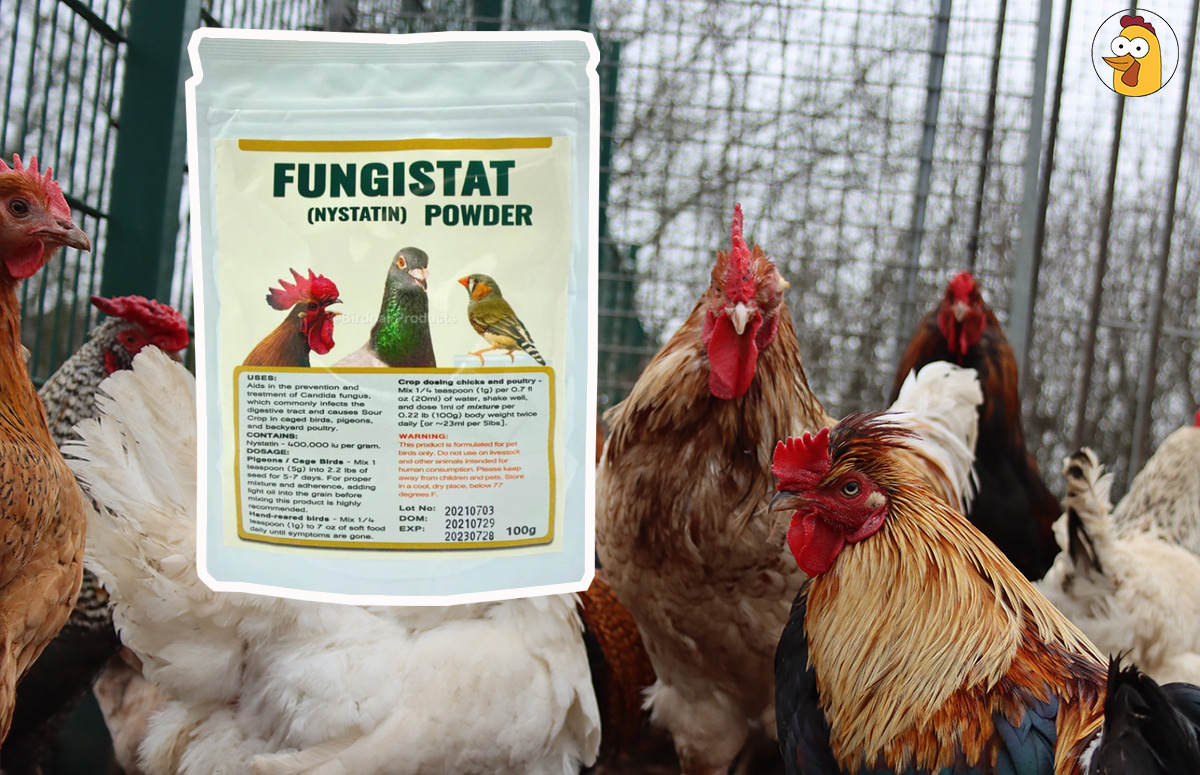
As a chicken keeper, you may have heard about nystatin. But do you know its exact uses and dosing guidelines? Let’s explain all you need to know about the basic use of nystatin (brand names Nystop® and Mycostatin®) in backyard chickens.
What is Nystatin?
Nystatin is an oral broad-spectrum antifungal produced by the bacterium Streptomyces noursei. In other words, a medicine that fights fungal infections. It helps keep fungi like yeast from growing.
It is the first polyene macrolide antifungal, and nowadays, it is very popular and widely used.
The Journal of Bacteriology published a paper in 1957, “Effect of Nystatin on the Utilization of Substrates by Yeast and Other Fungi,” defining nystatin as a “polyene antifungal antibiotic that inhibits the growth of most fungi.”
The antifungal can be found on the World Health Organization’s List of Essential Medicines.
Usage of Nystatin in Chickens
Nystatin helps stop the growth of harmful fungi, particularly yeasts, in a chicken’s digestive system. The two most common conditions managed with nystatin are Candidiasis (sour crop) and Aspergillosis.
It blocks the fungal metabolic activity and ability to utilize various essential substrates.
Here’s how it works:
- Stops fungal growth: Nystatin blocks the ability of fungi to use important nutrients, preventing them from thriving.
- Targets fungi directly: It works right were the fungi are, mainly in the gut.
Avian Medicine states that Nystatin has “few side effects.” The main drawback, however, is that it is not systemically absorbed from the chicken’s gastrointestinal tract after oral administration.
Therefore, nystatin must come into direct contact with fungi to be effective.
Nystatin for Candidiasis in Chickens (Sour Crop)
Sour crop, or candidiasis, is a common crop infection in chickens caused by an overgrowth of yeast called Candida. While Candida usually is present in your chicken’s digestive system, certain conditions can cause it to multiply too much.
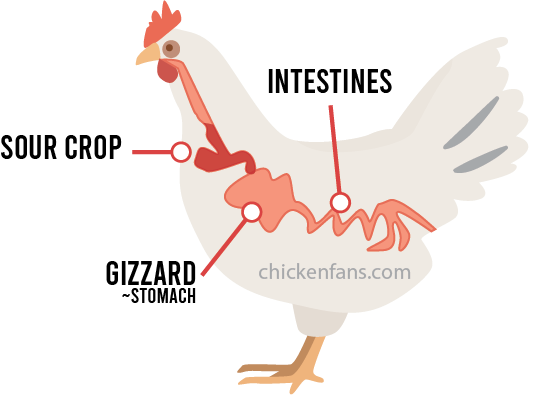
The causes for Sour Crop are risk factors for Candida overgrowth:
- intensive use of antibiotics and corticosteroids
- dirty food and water, or unhealthy diets
- chickens not having enough free space
- any kind of stress, like bullying or aggressive roosters
- an underlying illness or condition
- excessive use of disinfectants
The yeast organisms usually target chickens with a weaker immune system, like baby chicks, older chickens, or chickens with an underlying condition.
Sour crop in chickens manifests with oral lesions, sour breath, excessive beak rubbing, delayed crop emptying, appetite loss, lethargy, and diarrhea.
Treatment with Nystatin for Sour Crop
The treatment of sour crop is based on supportive care and antifungals.
Nystatin is the medication of choice for candidiasis cases that do not require systemic antifungals. Nystatin for candidiasis treatment in chicken is given in doses of 300.000 IU/kg twice per day, orally.
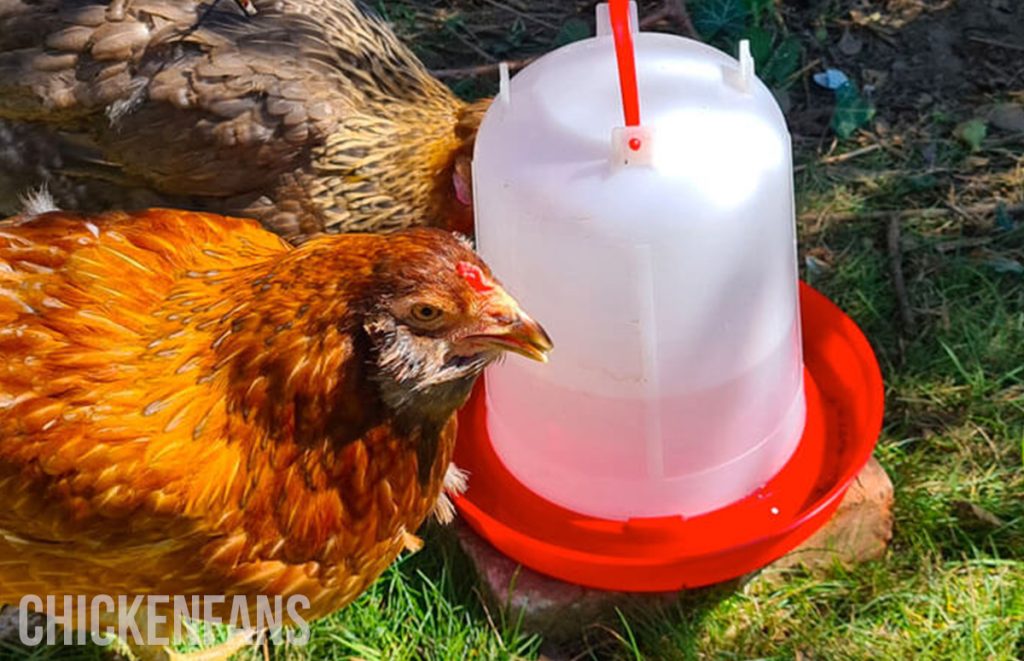
When used as a suspension in the drinking water, Nystatin is added in the amount of 100,000 U/L.
Why Choose Nystatin?
Nystatin is effective because it targets the yeast directly in the chicken’s digestive system without causing many side effects. It works by stopping the yeast from growing and multiplying.
Nystatin for Aspergillosis in Chickens
Aspergillosis, commonly known as brooder pneumonia, is a fungal infection that affects the respiratory system of chickens.
This non-contagious disease is mainly caused by two fungi types: Aspergillus fumigatus and Aspergillus flavus. These fungal spores are found everywhere, especially in warm and humid environments, making it easier for chickens to inhale them.
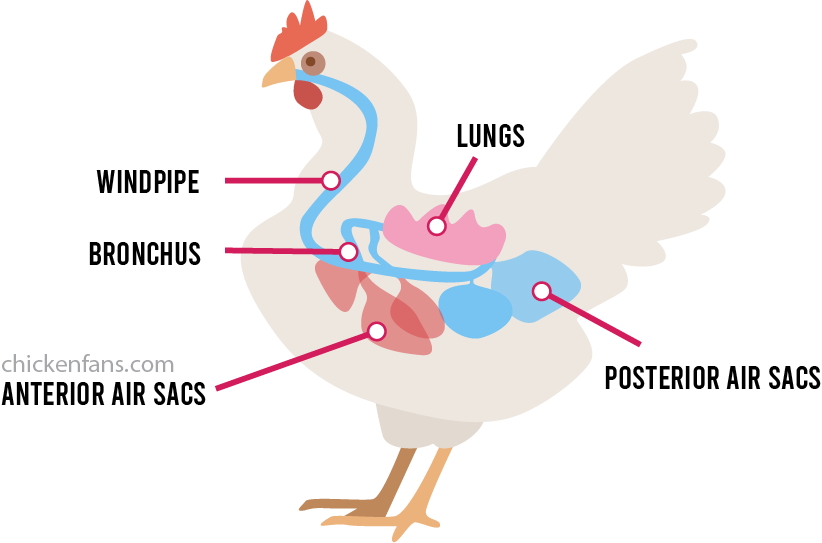
Aspergillosis in chickens primarily affects the lungs and can present in two forms: acute and chronic.
In some rare cases, the fungal spores can spread to other parts of the body, leading to additional health issues such as eye infections, skin problems, brain infections, joint infections, and infections of internal organs.
Treating Aspergillosis with Nystatin
The standard treatment for Aspergillosis involves systemic antifungal medications designed to work throughout the body.
However, nystatin has also been found to be effective against certain forms of this fungal infection. Nystatin helps by targeting and inhibiting the growth of the Aspergillus fungi, aiding in the recovery of affected chickens.
Pros and Cons of Nystatin for Chickens
Nystatin is safe and easy to use in chickens but is not universally efficient against all fungal infections. Here is a short overview of the antifungal’s pros and cons.
Pros:
- Very efficient against mild candidiasis
- FDA-approved for use in laying hens
- Safe to use in chickens of all ages
- Readily accepted by flock members
Cons:
- Not cheap
- Not systemically absorbed in the GI tract
- Generates resistance following improper use
Usage and Dosage Instructions for Nystatin for Chickens
The recommended dose of nystatin for chickens is between 300.000 and 600.000 U/kg, two to three times per day or every 8 to 12 hours.
When used as a suspension in the drinking water, Nystatin is added in the amount of 100,000 U/L.
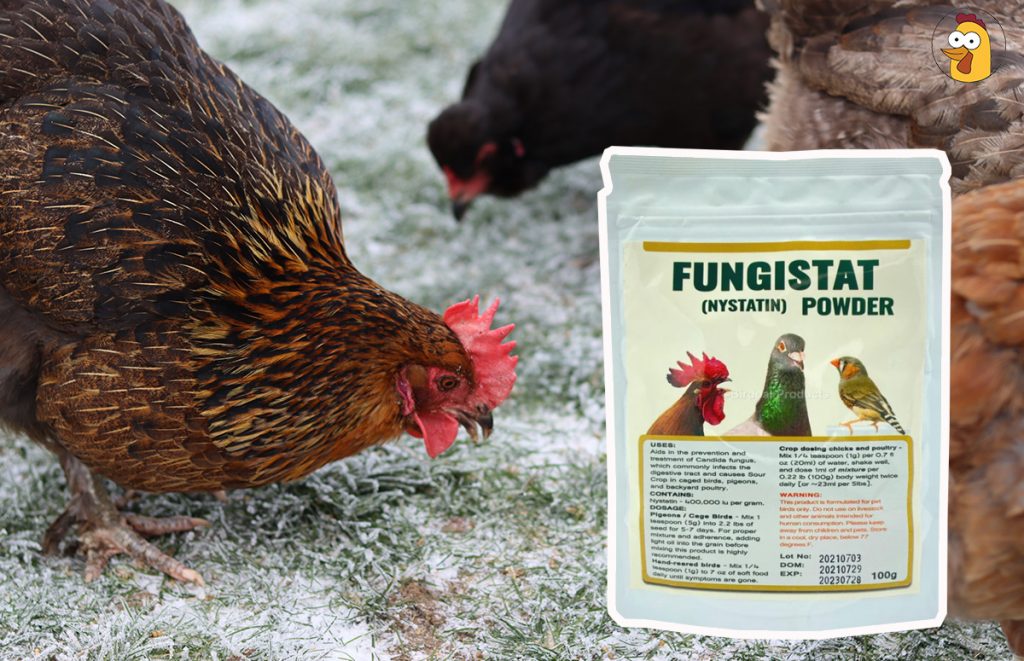
The modern market offers various nystatin formulations, so it is important that you carefully read the manufacturer’s usage and dosage guidelines.
Nystatin for Chickens Side Effects
Nystatin is a short-acting medication whose effects stop working in around 24 hours, meaning there is a very low risk of unwanted side effects.
There are also no known interactions between nystatin and other medications. However, it is important to consult your vet before using this antifungal and mention any medications (including dietary supplements and herbal remedies) the chickens are taking.
Nystatin Storage and Stability
Always keep nystatin properly to ensure safety and maximum efficacy. It must be stored in an airtight container at room temperature (between 15°C and 30°C) and away from heat, light, and moisture.
Freezing and exposure to temperatures over 40°C harm the stability of liquid nystatin suspensions.
Conclusion
Nystatin (brand names: Nystop®, Mycostatin®) is a broad-spectrum antifungal for chickens. It is most frequently used to treat Candida infections and is safe for chickens of various ages and FDA-approved to use in laying hens.
Nystatin for chickens is administered orally or mixed with drinking water. The drug is accepted well and is easy to use.
To ensure maximum safety and efficacy, consulting a veterinarian before using nystatin for chickens is highly advisable.
Dr. I. Crnec is a licensed veterinarian with several years of experience. She has published work on the effect of vitamin supplementation, egg-laying performances of chickens under heat-stress conditions and the effects of calcium supplementation on eggshell strength.