35+ Supplements to Boost Egg Laying & Egg Quality in Chickens (2026)


The food and supplements your hens get directly influence their eggs’ quality, eggshell strength, and how many eggs they lay. While anecdotal advice is common in the poultry world, scientific research offers a much clearer picture of what actually works.
The poultry industry has extensively researched supplements and nutrients for better egg quality. Our poultry experts waded through all the heavy reading and picked out the interesting stuff to give practical and actionable advice for people with backyard chickens and hobby breeders.
The result? A definitive list of supplements that actually boost laying and egg strength. There are certainly some golden nuggets on the list. However, according to science, some ingredients just don’t cut it. So, we’ve busted a few myths along the way, too.
Here’s a quick summary of supplements that have a significant or noticeable impact on egg quality, backed by solid or at least convincing scientific evidence:
| Effect | Supplements |
|---|---|
| Egg Shell Strength | Calcium, Essential Minerals, vitamin D, Bacillus Subtilis, Vitamin C, Spirulina platensis, Seaweed, Kelp, Algae, Vitamin E, Nettle Leaves, Nettle Leaf Powder |
| Laying Performance | Calcium, Bacillus Subtilis & family, Chia Seed, Aspergillus Oryzae, Ginger, Flax Seed, Vitamin C, Meal Worms, Vitamin A, Essential Minerals, Vitamin E |
| Egg Quality | Omega-3, Essential Minerals, Chia Seed, Aspergillus Oryzae & Niger, Ginger, Thyme, Pumpkin Seed, Oregano, Bacillus Family, Vitamin K, Spirulina platensis, Vitamin A, Seaweed, Kelp, Algae, Echinacea, Vitamin E, Nettle Leaves, Nettle Leaf Powder |
| Egg Weight | Calcium, Meal Worms, Essential Minerals, Aspergillus Oryzae, Brewer’s Yeast, Thyme, Vitamin C, Cinnamon, Meal Worms, Vitamin A |
| Yolk Color | Marigold Flower, Turmeric powder, Black Soldier Fly |
Now, without further ado, here’s our full list of supplements, starting with the most obvious one: calcium.
1. Calcium
| Type | Mineral |
| Outcome | ↑ Egg Size ↑ Shell Strength ↑ Laying Performance |
| Effect | Strong |
| Evidence | Strong |
| Dose | 4-5 mg daily |
| Recommendation | Supplement |
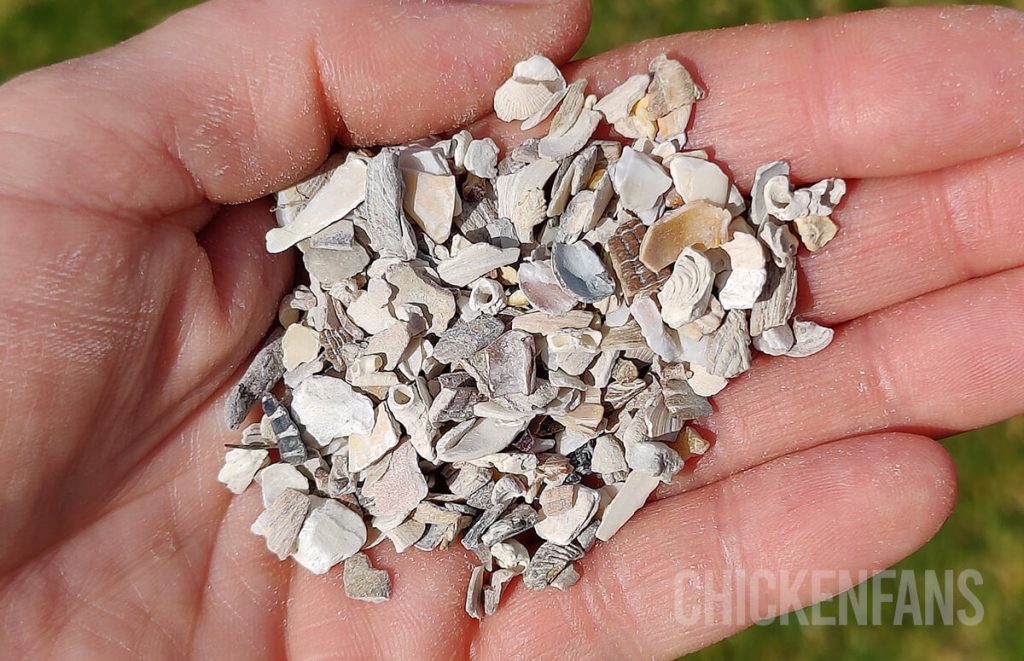
Roughly 95% of the eggshell is calcium carbonate. Calcium carbonate provides strength and rigidity to the eggshell, protecting the developing embryo inside the egg.
Hens need a significant amount of calcium to form eggshells in the reproductive tract. Without adequate calcium, the eggs become thin, soft-shelled, weak, and prone to breakage, leading to reduced egg quality and an increased risk of egg yolk peritonitis.
There are tons of studies on the topic that show that calcium supplementation increases shell strength, egg size, and laying performance.
More info: calcium for chickens
2. Vitamin D
| Type | Vitamin |
| Outcome | ↑ Shell Strength |
| Effect | Strong |
| Evidence | Strong |
| Dose | 3000-4000 IU |
| Recommendation | Sunlight or fish oil |
Vitamin D is an important mineral for chickens that regulates calcium and phosphorus metabolism, bone mineralization, and egg formation.
Chickens get vitamin D via:
- Sunlight: chickens synthesize vitamin D from zoosterol in their skin when exposed to ultraviolet light from the sun
- Diet: chickens can also obtain vitamin D from their diet, particularly from feed fortified with vitamin D or containing natural sources of the vitamin, like fish
When hens don’t get enough sunlight during the day, their vitamin D levels can quickly become suboptimal. If you can’t get enough sunlight in your region, you can supplement them with vitamin D by giving them fish meals, fish oil, or vitamin D-fortified commercial poultry feeds.
3. Turmeric Powder
| Type | Herb |
| Outcome | ↑ Laying performance ↑ Egg Yolk color |
| Effect | Strong |
| Evidence | Strong |
| Dose | 0.1-0.5% of daily feed |
| Recommendation | Consider |

Turmeric powder is a bright yellow culinary spice derived from the dried roots of the turmeric plant (Curcuma longa). It’s common in Asian cuisine and part of many traditional dishes.
Turmeric powder contains an active compound called curcumin, known for its anti-inflammatory and antioxidant properties.
Several studies have shown positive effects on laying performance, internal egg qualities, and egg yolk color. Some studies also report increased egg weight. Curcumin does not significantly affect feed intake or eggshell qualities.
Adding Turmeric powder to the diet changes the egg yolk color and will give you a higher Roche color fan number (indicating enhanced yolk color).
4. Garlic Powder
| Type | Herb |
| Outcome | ↑ Increases Egg Weight ↓ Reduce Egg Cholesterol |
| Effect | Strong |
| Evidence | Strong |
| Dose | 5-10 mg/kg |
| Recommendation | Caution |
Garlic contains several bioactive compounds that have antimicrobial properties, support the immune system, and (most probably) have antiparasitic effects.
Studies have shown that adding garlic powder to the diet can significantly improve egg weight.
It’s also found that garlic powder supplementation reduces egg yolk cholesterol and blood serum cholesterol concentrations. The cholesterol-lowering effect prevents plaque in the blood vessels and reduces the risk of heart diseases and heart attacks.
However, garlic as a supplement for chickens should be approached with caution. When given in excessive amounts, it can potentially be toxic to chickens. The phytochemicals, particularly the organosulfur compounds, can lead to hemolytic anemia, which destroys red blood cells in chickens.
We explain this in detail in our article on the toxicity of onions for chickens.
5. Omega-3
| Type | ↑ Fatty Acid |
| Outcome | ↑ Egg Quality |
| Effect | Strong |
| Evidence | Strong |
| Dose | 2-10% |
| Recommendation | Supplement |

Omega-3 fatty acids are essential healthy polyunsaturated fats. The word ‘essential’ means a chicken’s body cannot produce Omega-3 fatty acids, so they must be obtained via the diet.
Several studies mention improved egg quality. In general, omega-3 fatty acids improve egg quality parameters, such as yolk color, consistency, and shell strength.
One added benefit of feeding chickens a diet rich in omega-3 fatty acids is that it enhances the omega-3 content in their eggs. Eating those eggs gives you all the health benefits: lower blood pressure, better memory, cognitive functioning, joint health, and whatnot.
We recommend including omega-3 in the diet via fishmeal, fish oil, or seeds.
6. Bacillus Subtilis (Microbe of the Year 2023)
| Type | Probiotic |
| Outcome | ↑ Egg production ↑ Eggshell Strength |
| Effect | Strong |
| Evidence | Strong |
| Dose | According to Label |
| Recommendation | Supplement |

Bacillus subtilis has been crowned the prestigious “Microbe of the Year 2023” by the Association for General and Applied Microbiology (VAAM). It is a probiotic, which means it’s one of the ‘good’ bacteria with several positive effects when added to the diet of laying hens. In the poultry industry, probiotics are used as an alternative to antibiotics.
Usually, when people mention probiotics, they talk about lactic acid bacteria. These are commonly found in fermented foods like yogurt and are known for improving gut health. Bacillus subtilis is not a lactic acid bacterium, but for the last few years, many studies have shown several health benefits of Bacillus.
Supplementation of Bacillus subtilis in the diet of laying hens improves eggshell quality, specifically, eggshell strength and thickness. This improvement was observed both before and after a molting period.
Apart from the many health effects, several studies on the Bacillus family also report improved laying performance in terms of increased egg production rate and average daily egg yield. There seem to be no significant effects on egg weight, yolk color, albumen, or Haugh unit.
In general, studies report an increase in edible/marketable eggs and a reduced number of broken and soft-shelled eggs.
7. Chia Seed
| Type | Seed |
| Outcome | ↑ Egg Quality ↑ Egg Production |
| Effect | Strong |
| Evidence | Strong |
| Dose | 1-2% daily feed |
| Recommendation | Supplement |

Chia seeds are nutrient-rich seeds, high in omega-3 and omega-6 fatty acids. They come with several health benefits for chickens. Numerous studies show chia seed supplementation positively affects egg laying and quality.
It’s well established that chia seed supplementation improves egg quality parameters such as shell strength, color, taste, and smell. Chia enhances the concentration of omega-3 fatty acids in eggs, specifically EPA and DHA, which are known for their health benefits for humans.
As an extra benefit, some studies also mention an increase in egg-laying performance and potentially improved feed conversion ratio.
7. Aspergillus Oryzae & Aspergillus Niger
| Type | Fungus |
| Outcome | ↑ Egg Quality ↑ Egg Weight ↑ Egg Production ↓ Reduced Egg Cholesterol |
| Effect | Strong |
| Evidence | Strong |
| Dose | Follow Label |
| Recommendation | Supplement |

Aspergillus oryzae and Aspergillus niger are fungi commonly used in the food industry but are also used as probiotics in poultry.
More specifically, Aspergillus oryzae is used in the fermentation of soybeans to make soy sauce, rice vinegar, and sake, a traditional Japanese wine. Aspergillus niger, on the other hand, is a versatile fungus with the ability to produce a wide range of enzymes.
Studies have shown that supplementation with Aspergillus results in significantly greater egg weight and egg mass, especially during the early laying period, from 20 to 36 weeks of age. This effect can be seen with Aspergillus oryzae, Aspergillus niger, and Aspergillus awamori.
There are also several studies on the effects of phytase, a product of Aspergillus niger. Microbial phytase improves egg production and decreases broken and soft shell eggs‘ production rate.
Researchers also found that the fungus reduces the total cholesterol levels of the chickens. There are two types of cholesterol in chicken eggs. The first type is LDL-cholesterol, which is the bad cholesterol, and the second is HDL cholesterol, also known as the good cholesterol. Aspergillus only reduces the bad cholesterol in the blood.
8. Ginger
| Type | Herb |
| Outcome | ↑ Egg Production ↓ Reduced Cholesterol |
| Effect | Strong |
| Evidence | Strong |
| Dose | 0.5% |
| Recommendation | Consider |

Ginger has been used to spice up dishes for centuries, and the herbal remedy now has practical use in poultry. Just like in our favorite recipes, ginger has the potential to enhance the well-being of your flock.
Supplementation of ginger root powder in the diets of laying hens has two major impacts:
- Egg Production: adding 0.5% or 0.75% ginger root powder to the diet results in higher egg production
- Cholesterol: Birds fed diets with 0.5% – 0.75% ginger root powder have lower egg cholesterol levels
However, it’s important to exercise caution and avoid excessive amounts. Adding too much ginger to a chicken’s diet may have adverse effects. The bioactive compounds can disturb the digestive system and interfere with the absorption of nutrients, causing diarrhea.
9. Flax Seed
| Type | Seed |
| Outcome | ↑ Egg Production ↑ Egg Quality ↓ Yolk Color |
| Effect | Visible |
| Evidence | Strong |
| Dose | 5-10% of feed |
| Recommendation | Consider |

Flax seed, also known as linseed, is a nutrient-rich seed that gained popularity as a superfood due to its numerous health benefits. It’s an excellent source of omega-3 fatty acids and lignans, which are powerful antioxidants.
Lately, it has gained recognition as a valuable addition to chicken feed. Studies found that the inclusion of flax seeds in the diet of laying hens led to several changes in egg production and quality:
- Egg Production: studies report up to a 4% increase in egg production for hens fed with a Flax diet
- Fatty Acid Composition: feeding flax seeds to hens increases the levels of polyunsaturated fatty acids in the egg yolks (DPA and DHA) and decreases the amount of oleic acid. This means that the ratio of omega-6 to omega-3 fatty acids decreases in the eggs. A lower omega-6 to omega-3 ratio is generally considered healthier, as modern diets often have too much omega-6 and not enough omega-3.
One study also mentioned an increased albumen percentage compared to the corn-soy control, indicating a higher proportion of egg white in the eggs from flaxseed-fed hens.
One thing to note is that substituting more than 10% of the chicken’s diet with flax seeds can make the yolk paler, probably due to lesser pigments in the diets.
10. Brewer’s Yeast
| Type | Yeast (Fungus) |
| Outcome | ↑ Egg Production ↑ Egg Weight ↑ Egg Size |
| Effect | Visible |
| Evidence | Strong |
| Dose | Follow Label |
| Recommendation | Consider |

Brewer’s yeast, or Saccharomyces cerevisiae, is a type of yeast that is commonly used in baking and brewing. It is a microscopic organism that helps ferment, converting sugars into carbon dioxide and alcohol. Simply said, it’s a key ingredient that makes bread rise and gives beer its alcoholic content.
Apart from its role in food production, Saccharomyces cerevisiae is used increasingly in poultry as a probiotic.
Here are the key findings of recent studies on Brewer’s yeast as an additive in chicken feed:
- Egg Production: supplementation of Saccharomyces cerevisiae in hen diets improves egg production, especially during the early laying periods (20 to 36 weeks old)
- Egg Weight: hens fed with Saccharomyces cerevisiae lay heavier eggs with more mass
- Egg Size: mixing Saccharomyces cerevisiae in layer diets improved the egg size distribution by influencing a shift from small and medium to large and extra-large eggs
The improvements in egg production were attributed to the ability of probiotics and prebiotics to enhance nutrient digestibility and absorption in the gastrointestinal tract of hens.
11. Lysine
| Type | Amino Acid |
| Outcome | ↑ Egg Weight |
| Effect | Strong |
| Evidence | Strong |
| Dose | – |
| Recommendation | Skip: Feed Protein Instead |
Lysine is an essential amino acid, meaning the chicken’s body cannot synthesize it and must get lysine from the diet. Lysine is for the growth, repair, and absorption of calcium, which is essential for bone health and egg laying.
Studies have shown that supplementing lysine increases egg weight. There is no significant effect on the number of eggs produced or the quality of the eggs.
We don’t recommend supplementing lysine as chickens generally get sufficient lysine through their regular food, especially if they consume a well-balanced diet. Lysine is a common amino acid found in many feed ingredients used in poultry diets, such as soybean meal and other plant-based protein sources.
To boost egg laying after molting or disease, we’d rather supplement with proteins so the hens also get other essential amino acids, like methionine and threonine. A good protein source for chickens is the Black Soldier Fly.
12. Zinc
| Type | Mineral |
| Outcome | ↑ Eggshell strength ↑ Egg production ↑ Fertility and hatchability |
| Effect | Strong |
| Evidence | Strong |
| Dose | N/A |
| Recommendation | Caution. Use fortified poultry feed |
Zinc is an essential mineral that plays a vital role in the immune system and helps in the production and function of enzymes, which are involved in many important processes in the chicken’s body.
Several studies have shown that optimal zinc levels result in improved laying hen performance, increase in egg weight, eggshell breaking strength, percentage of eggshell, and egg weight. In combination with chromium yeast, it also improves fertility and hatchability.
We only recommend adding zinc to the diet if there is a real zinc deficiency. Zinc is present in all regular chicken feed ingredients, such as grains, seeds, and vegetables. Excessive zinc can result in zinc intoxication, which can cause renal failure.
Commercial poultry feeds are also often fortified with essential minerals, including zinc, to ensure that chickens meet their nutritional requirements.
13. Copper
| Type | Mineral |
| Outcome | ↑ Egg Shell Strength ↑ Egg Quality ↑ Egg Size ↑ Egg Laying Performance |
| Effect | Strong |
| Evidence | Strong |
| Dose | N/A |
| Recommendation | Use fortified poultry feed |
Another mineral commonly used in poultry is copper, which has anti-bacterial effects in the chicken’s gut. Copper is involved in several essential functions in chickens’ bodies. It also helps produce collagen to build strong bones, feathers, and eggshells.
Several studies show benefits for egg quality, size, egg-laying performance, and eggshell characteristics. Using zinc-copper nanoparticles results in the greatest productive effect.
Some studies on low-budget commercial chicken feeds report a lack of essential elements like zinc and copper, while lead concentrations were high, likely due to anthropogenic sources. Some third-world countries have problems with heavy metal contamination in poultry feeds.
In general, commercial chicken feeds contains enough copper for your chickens. We don’t recommend adding extra copper to the diet to prevent excesses, as an imbalance can cause organ damage, hemolytic anemia, digestive issues, and even reduced egg production and quality.
14. Thyme
| Type | Herb |
| Outcome | ↑ Egg Weight ↑ Laying Performance ↑ Egg Yolk Color ↑ Egg Quality ↓ Egg Cholesterol |
| Effect | Noticeable |
| Evidence | Strong |
| Dose | 10-20 g/kg |
| Recommendation | Consider |

Thyme is an aromatic cooking herb known for its pleasant taste, smell, and healthy benefits. The herb contains essential oils, antioxidants, and anti-inflammatory compounds that can protect against oxidative stress and certain diseases. It boosts the immune system, respiratory health, and overall health.
There are many studies on the effect of thyme as a poultry feed additive. Thyme supplementation boosts various aspects of egg quality, such as egg weight, yolk color, cholesterol levels, and omega-3 fatty acid content.
Many studies also found positive effects on performance parameters, including egg production, feed conversion ratio, and body weight. Additionally, adding thyme to the diet raises the blood’s antioxidant status and immune response.
While the strength of the effects varies among the studies, the overall findings suggest that thyme supplementation has a noticeable and beneficial impact on egg production and quality in laying hens.
15. Pumpkin Seed
| Type | Seed |
| Outcome | ↑ Feed Conversion ↓ Egg Yolk Cholesterol |
| Effect | Noticeable |
| Evidence | Convincing |
| Dose | N/A |
| Recommendation | Supplement |
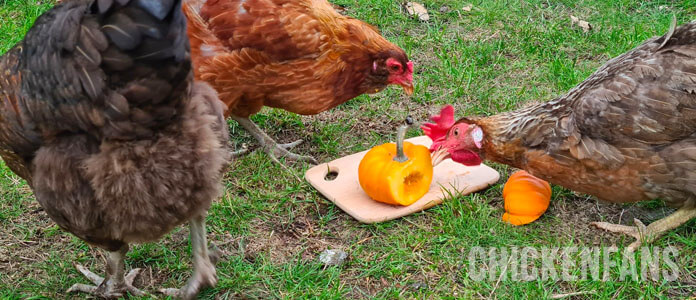
Chickens love pumpkin seeds, and they are a healthy addition to a chicken’s diet as they contain many vitamins, especially vitamin A. They are mostly water, but a small cup of pumpkins already provides more than 200% of chickens’ daily vitamin A intake.
Overall, supplementation with pumpkin seeds or derivate products in chicken feed showed varied effects on egg quality and certain performance parameters. Pumpkin seed oil reduces egg yolk cholesterol content, while pumpkin seeds improve feed conversion.
Pumpkin seeds contain cucurbitacin, an amino acid that acts as a deworming agent. In chickens, pumpkin seeds help eliminate tapeworms and other intestinal worms by killing them in the digestive tract.
More research is needed to determine the optimal dosage and long-term effects of pumpkin seed supplementation on chicken health and productivity.
16. Oregano
| Type | Herb |
| Outcome | ↑ Laying Rate ↑ Feed Conversion ↑ Yolk Color ↑ Egg Size ↑ Egg Quality |
| Effect | Noticeable |
| Evidence | Convincing |
| Dose | 10g / kg |
| Recommendation | Supplement |

Oregano is a popular Mediterranean herb that smells great and brings many health perks to the table. It has many uses in herbal medicine to tackle all sorts of issues, from respiratory problems to tummy troubles. All great, but can it also boost egg-laying in chickens?
Studies with oregano supplementation tend to find an increase in egg production and feed conversion ratio.
Most studies also report that oregano improves egg quality and yolk color. Adding oregano essential oil to the diet of laying hens seems to improve the feed conversion ratio, eggshell thickness, and gut health. That said, some studies did not find any influence on egg production, egg mass, or egg weight.
Some studies also report effects on taste, fertility, and egg palatability. If you decide to supplement, don’t exaggerate, as higher inclusion levels (up to 40/50g / kg) of oregano reduced fertility.
Studies on Hy-line Brown laying hens that supplement both oregano and thyme show increased egg weight, egg mass, and production percentage.
17. Methionine
| Type | Amino Acid |
| Outcome | ↑ Egg Quality ↑ Egg Production ↑ Egg Shell Strength |
| Effect | Strong |
| Evidence | Strong |
| Dose | N/A |
| Recommendation | Skip: Feed Protein Instead |
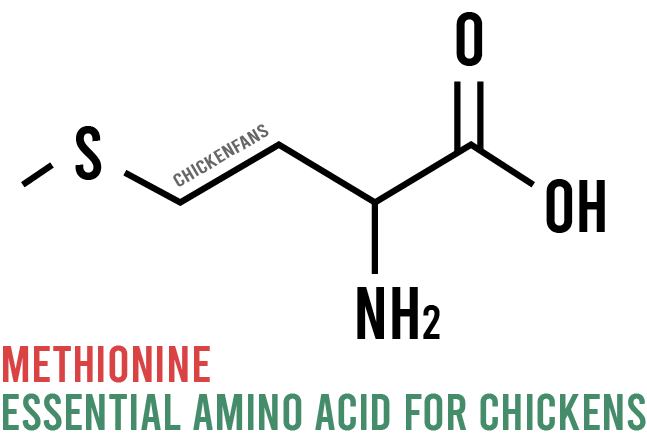
Methionine is the most important amino acid for chickens. It’s also an essential amino acid, meaning the chicken’s body can’t synthesize it on its own. It plays a crucial role in protein synthesis, feather growth, egg production, nutrient absorption, and the immune system.
Several studies confirm all the benefits of methionine. Methionine chelate supplementation increases egg production, produces stronger eggshells, less soft-shelled eggs, and improves laying performance.
However, we don’t recommend methionine supplements. Methionine is an amino acid and a building block of proteins. Most poultry diets have enough proteins to cover your bird’s needs.
If your chickens need extra proteins, for example, after molting, it’s better to provide protein supplements. Those also include the other essential amino acids, like lysine and threonine.
Mealworms and Black Soldier Flies have excellent amino acid profiles that contain methionine, lysine, and threonine. The black soldier fly supplements are usually slightly richer in methionine than mealworms, but it’s a close call.
18. Black Soldier Fly
| Type | Insect |
| Outcome | ↑ Yolk Color |
| Effect | Visible |
| Evidence | Strong |
| Dose | 5% of feed |
| Recommendation | Supplement for protein |

Defatted black soldier flies (BSF) are one of the best protein supplements you can give your flock. Feeding the larvae of black soldier flies has shown benefits in terms of development, meat quality, overall health, carcass yield, and yolk pigmentation. The larvae also contain antimicrobial peptides.
Several studies (besides one) mention feeding BSF resulted in higher yolk color than control eggs. As a matter of fact, Dr. A. Ibrar, the co-author of this article, is actively researching Black Soldier Flies. He experienced firsthand that the yolk color is consistently darker for chickens fed with BSF.
Important to note is that black soldier flies contain all essential amino acids, including methionine, lysine, and threonine. These amino acids (also in this list) are essential for enhancing egg quality and increasing egg productivity. Adding BSF to the diet of protein deficient hens provides a natural and effective way to boost egg production and improve overall performance.
One word of caution here. Some studies substituted over 10% of the chicken’s traditional soybean meal with BSFL and reported significantly lower shell weight and thickness.
To summarize, we highly recommend the Black Soldier Fly as a protein supplement but not per se to boost egg laying.
19. Vitamin C
| Type | Vitamin |
| Outcome | ↑ Egg Laying Performance ↑ Egg Weight ↑ Egg Shell Thickness ↑ Egg Yolk Percentage ↑ Hatchability, Fertilization |
| Effect | Strong |
| Evidence | Strong |
| Dose | 100-200 mg/kg |
| Recommendation | When in (heat) stress |
Vitamin C, or L-ascorbic acid, is a vital nutrient for chickens. It plays a crucial role in various physiological functions and is necessary for their overall health and well-being.
Studies have found numerous beneficial effects of vitamin C on egg laying:
- Egg Quality: Vitamin C supplementation improves egg quality. It was found that Vitamin C supplementation at a level of 200 mg/kg diet improved eggshell strength and thickness. This is likely due to Vitamin C’s role in collagen synthesis, a major eggshell membrane component.
- Egg Size: Vitamin C supplementation can increase egg size. Studies showed that the egg weight increased by 1.5% when the diet was supplemented with 200 mg/kg of Vitamin C.
- Egg Laying Performance: Vitamin C supplementation can improve egg-laying performance. Studies found that the laying rate increased by 2.8% when the diet was supplemented with 200 mg/kg of Vitamin C.
- Eggshell Quality: Vitamin C supplementation can improve eggshell quality. Researchers found that the eggshell strength increased by 3.2% when the diet was supplemented with 200 mg/kg of Vitamin C.
That said, most chickens are already at optimal vitamin C levels when they eat regular commercial chicken feed. Chickens have the ability to synthesize vitamin C internally, unlike humans.
That’s why we don’t recommend adding extra vitamin C supplementation unless there is the need to do so. Good reasons to supplement vitamin C are heat stress, or disease outbreaks, transportation, or other environmental changes.
20. Basil
| Type | Herb |
| Outcome | ↑ Egg Laying Performance ↑ Egg Quality ↑↓ Egg Shell Strength |
| Effect | Noticeable |
| Evidence | Suggestive |
| Dose | 1-2 g/kg |
| Recommendation | Caution |

Basil is one of the most used culinary herbs worldwide. It does not only taste great, but it’s also a nutritional powerhouse with several vitamins and minerals. It has anti-inflammatory and antimicrobial properties and is often used against coughs, colds, and respiratory issues. What’s not to like?
The influence on egg-laying is a bit more speculative. Basil is usually researched in the context of meat chickens or broilers in the poultry industry.
However, there are some studies and results that give an indication of what basil can do for egg-laying:
- Egg Laying Performance: pullets seem to start laying earlier. Supplementation of 5-15g basil per bird in three-day intervals made pullets lay two weeks earlier than their counterparts. The number of eggs also seems to increase. One study reports an average increase of 29.24% compared to the control group.
- Egg Quality: basil leaf meal supplementation increased omega-3 polyunsaturated fatty acids in egg yolks (especially α-linolenic acid and C18:3)
- Egg Shell Strength: most studies found no significant effect on eggshell thickness. However, one study mentions that shell calcium content was reduced by 22.85% in the group fed 15 g basil leaves.
It seems that basil stimulates egg laying. The reduction in calcium content found in one study might be caused by the lack of time for the eggshell to form in the oviduct.
21. Bacillus Family (Other than Bacillus subtilis)
| Type | Probiotic |
| Outcome | ↑ Egg Production ↑ Egg Quality |
| Effect | Notable |
| Evidence | Convincing |
| Dose | Follow Label |
| Recommendation | Consider |
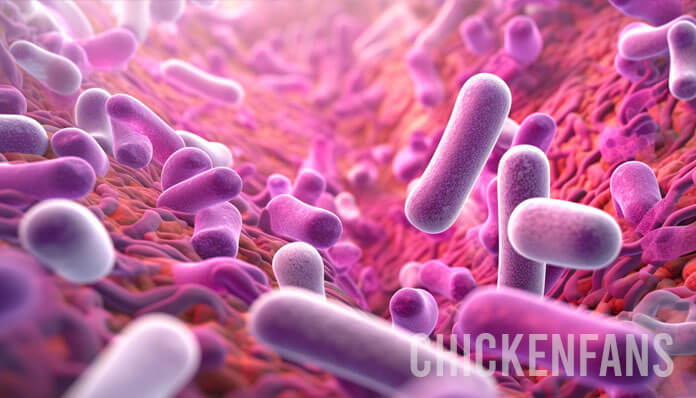
Earlier in the list, we discussed Bacillus subtilis, the Microbe of the Year 2023. It’s an important probiotic used in poultry as an alternative to antibiotics.
However, there are more bacteria in the Bacillus family. All these rod-shaped bacteria are commonly found in soil and have been extensively studied for use in biotechnology and food production.
A dozen studies found positive effects of Bacillus amyloliquefaciens and Bacillus licheniformis on egg productivity. The research on Bacillus velezensis also shows an increase in egg production rate.
Several studies also mention a slight increase in egg quality parameters, such as yolk weight, eggshell strength, yolk color, and Haugh unit (egg protein quality).
To conclude, although Bacillus subtilis is the clear winner, the other members of the Bacillus family also do their part.
22. Cinnamon
| Type | Herb |
| Outcome | ↑ Egg Production ↑ Egg Weight |
| Effect | Noticeable |
| Evidence | Convincing |
| Dose | 300 mg/kg oil 800 mg/kg dried |
| Recommendation | Consider |

Cinnamon is not just a versatile aromatic spice with a delightful scent. It’s also a nutritional powerhouse. It has anti-inflammatory and antioxidant properties and the ability to regulate blood sugar.
Several studies have shown that cinnamon supplementation improves egg production, laying rate, and weight. Both cinnamon essential oil and dried cinnamon supplementation also improved blood cholesterol and egg yolk cholesterol levels.
Although studies are convincing, one study on laying quails saw a negative effect on egg weight when dried cinnamon was mixed with rosemary.
23. Moringa Leaf Powder
| Type | Herb |
| Outcome | ↑ Egg Laying Performance ↑ Egg Weight ↑ Egg Shell Thickness ↑ Yolk Color ↓ Yolk Cholesterol |
| Effect | Noticeable |
| Evidence | Convincing |
| Dose | 3-6 g/kg |
| Recommendation | If you have the money |
Moringa is gaining popularity as a plant-based superfood among fitness enthusiasts. The powder comes from the leaves of the Moringa oleifera tree and is packed with vitamins, minerals, and antioxidants.
In the last decade, several studies found substantial effects on egg-laying hens:
- Egg Weight: Moringa oleifera leaves supplementation at 3, 6, and 9 g/kg increases egg weight
- Egg Laying Performance: The hen-day egg production and feed conversion ratio are significantly improved by Moringa oleifera fresh leaves as a feed supplement
- Eggshell Quality: some studies report increased eggshell thickness and mineral contents in the shell of hens fed with Moringa
- Cholesterol: addition of 2-6% moringa leaf powder in diets resulted in significantly lower yolk cholesterol and increased yolk color
Although it’s unclear why the eggs are heavier, researchers believe the improvements in egg production can be attributed to Moringa oleifera leaves’ reported antimicrobial and antioxidant properties and gastro-protective and mucus-enhancing enzyme activities.
There are not enough studies to draw conclusions on eggshell thickness for now. Researchers suppose that Moringa oleifera allows increased eggshell weight and thickness due to the phytogenic compounds that improve calcium storage and uterine functions, improving eggshell and egg quality.
All things considered, Moringa is very promising, but for most of us, it’s way too expensive to include this superfood in a backyard chicken’s diet.
24. Vitamin K
| Type | Vitamin |
| Outcome | ↑ Vitamin K in Yolk ↓ Blood Spots ↑↓ Egg Laying Performance |
| Effect | Noticeable |
| Evidence | Strong |
| Dose | 2.5 – 3 mg/kg |
| Recommendation | Use to reduce Blood Spots |
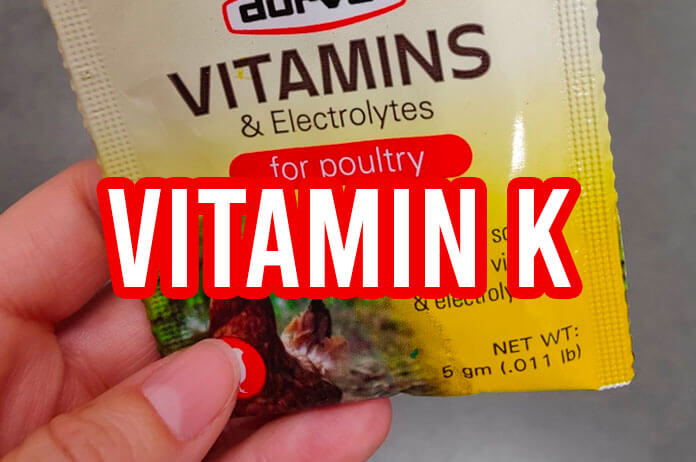
Vitamin K is a fat-soluble vitamin essential for blood clotting, biosynthesis of proteins, bone composition, and embryo development in chickens and poultry.
Vitamin K is best known for preventing blood spots in the eggs. These are caused by the rupture of small blood vessels in the hen’s ovaries during egg formation.
The vitamins in a laying hen’s diet directly affect the number of vitamin K in the egg. Great if you eat the eggs, but also if you want to hatch an egg.
Some studies report that higher levels of vitamin K supplementation improved egg-laying performance and bone mineralization. However, other studies did not find any influence on egg production or other reproductive performance criteria.
For more info, skip to the part about laying hens in our in-depth vitamin K for chickens article.
25. Meal Worms
| Type | Insect |
| Outcome | ↑ Egg Size ↑ Egg Production ↑ Egg Weight ↑ Feed Conversion |
| Effect | Noticeable |
| Evidence | Strong |
| Dose | 2.5% – 5% |
| Recommendation | Supplement for Protein |
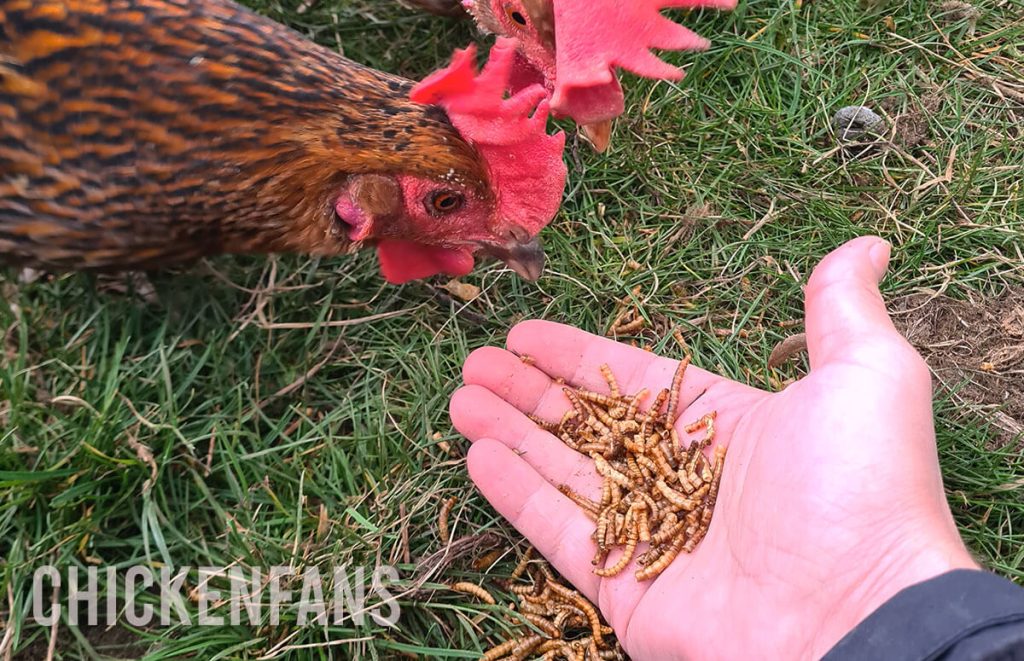
Yellow mealworms are the larvae of darling beetles and are edible insects. Dried mealworms contain 50-55% crude protein. Just like Black Soldier Flies, they contain all essential amino acids for chickens.
Mealworms are mostly being studied as a protein alternative in feed, not so much as a supplement for egg-laying chicks.
- Egg Production: Inclusion of yellow mealworm larvae meal at 2.5% improved egg production, egg mass, and feed conversion ratio in laying hens, while higher inclusion rates did not show additional benefits.
- Egg Size: Supplementation of 5% yellow mealworm larvae and 0.50% curcumin in the diet of laying hens improved eggs’ physical parameters, such as weight, freshness, thickness, and rupture force, and reduced cholesterol content.
What’s important is that mealworms contain the essential amino acids metionine, lysine, and threonine. We discussed those amino acids above and they can boost egg laying when you give your flock the optimal values.
That said, if your commercial feed is well-balanced, your chickens probably have all the protein they need and you won’t see too many advantages with regards to egg laying.
More info: our in-depth article on proteins for chickens
26. Spirulina platensis
| Type | Probiotic |
| Outcome | ↑ Egg Production ↑ Egg Shell Thickness ↑ Egg Quality ↑ Egg Yolk Color ↓ Cholesterol |
| Effect | Noticeable |
| Evidence | Convincing |
| Dose | 2% |
| Recommendation | Supplement |

Spirulina platensis is a type of tiny blue-green algae that grows in water. It is known for its high nutritional value and is often used as a dietary supplement. It contains protein, vitamins, minerals, and antioxidants that can provide health benefits.
Modern research is clearly showing promising results with regard to the use of Spirulina to boost egg laying:
- Egg Quality: spirulina in the diet improves egg production, egg mass, and feed conversion ratio
- Egg Shell: supplementation increases shell thickness, enhancing the eggshell quality
- Yolk Color: supplementation of spirulina in laying hens’ feed improves egg yolk color, making it darker: more red, less yellow
The optimal dietary inclusion level of spirulina ranges from 1.5% to 2.5% for noticeable effects. Studies show that Spirulina supplementation has no significant effect on egg yolk weight or height.
27. Vitamin A
| Type | Vitamin |
| Outcome | ↑ Egg Quality ↑ Egg Weight ↑ Egg Production |
| Effect | Noticeable |
| Evidence | Strong |
| Dose | 8000 – 1200 IU |
| Recommendation | Supplement with heat stress |
Vitamin A is critical for chickens to maintain vision in dimmed light and shady environments, essential for immunity and overall growth and development. It also supports the immune system, helps maintain healthy skin and mucous membranes, and is involved in the growth and development of various tissues.
Vitamin A certainly influences egg laying:
- Egg Quality: Vitamin A increases albumin percentage and Haugh unit score
- Egg Size: Higher levels of vitamin A supplementation (6,000 – 9,000 IU/kg) increase egg weight
- Egg Laying Performance: higher levels (9,000 IU/kg) improve feed intake and laying rate of heat-stressed hens
- Hatchability: The hatchability of eggs also improves with vitamin A supplementation
Overall, vitamin A is important to have optimal values for the well-being of your laying hens. If your feed does not provide enough vitamin A, or your chickens suffer from heat stress, consider supplementing.
28. Essential Minerals: Phosphorus, Selenium & Chromium
| Type | Mineral |
| Outcome | ↑ Shell Strength (P) ↑ Egg Production (Se) ↑ Egg Weight (Se) ↑ Egg Quality (Chr, P) |
| Effect | Noticeable |
| Evidence | Strong |
| Dose | – |
| Recommendation | Use fortified feed |
Minerals play essential roles in the overall health and basic biological functions of chickens:
- Phosphorus: a key component of bones, teeth. Essential for proper growth and skeletal development. Deficiencies lead to poor growth and reduced egg production.
- Selenium: a mineral that acts as an antioxidant and is involved in several metabolical functions. Plays a critical role in the immune system. Deficiencies lead to several immune problems, diseases, muscle disorders, and impaired fertility.
- Chromium: essential for regulating blood sugars. Influences growth, feed efficiency, and body composition. Deficiencies lead to diabetes, reduced growth, and impaired metabolism.
Apart from their core roles, they also influence the egg-laying process:
- Eggshell: Along with calcium, phosphorus is essential in maintaining the quality of the eggshell. A deficiency can result in thinner, weaker shells that can break easily. Some studies hint that chromium potentially impacts eggshell thickness and strength.
- Yolk Quality: Phosphorus is vital for forming phospholipids essential for the yolk structure.
- Egg Production: deficiencies in any of those minerals can cause reproductive issues, impaired egg production, and decreased fertility. Some studies show that chromium supplementation can increase egg production, but more research is needed to confirm this.
Studies on selenium show improved egg production, weight, and daily egg mass in laying hens. Most of the minerals also influence other supplements. For example, Vitamin D is important for chickens to regulate calcium and phosphorus metabolism, bone mineralization, and egg formation.
All that said, if you use decent, fortified commercial feed, your hens should get everything they need. Minerals are mainly a problem if your hens suffer from deficiencies. Furthermore, big-scale effects on laying hens in stressful, captivated conditions don’t always translate to backyard chickens.
29. Dandelion Leaf Powder
| Type | Herb |
| Outcome | ↑ Egg Production ↑ Egg Size ↑ Yolk Color |
| Effect | Slight |
| Evidence | Slight |
| Dose | N/A |
| Recommendation | Don’t bother |

We all know Dandelion, the yellow flowers with whimsical fluffy seed heads that we love to blow on. It holds a special place in health and wellness, where it is celebrated for its potential healing properties.
As a natural diuretic with antioxidant prowess, herbal medicine enthusiasts commonly use it as a source of vitality and well-being.
A handful of studies found the following small effects of Dandelion:
- Egg Production: one study showed an increase in the average laying rate and a decrease in egg breakage
- Egg Size: dandelion polysaccharides supplementation showed a small increase in daily egg weight
- Yolk Color: a study on Chinese herbal medicine additives reported deeper yellow yolks in the presence of additives
- Egg Yolk Quality: one study mentioned a lower fat and cholesterol content in eggs
There is only a scant amount of data supporting any significant effects.
In general, if you have dandelions growing in your vicinity, there is no harm in keeping them. However, if you don’t have dandelions, you do not need to seek them out for your flock.
30. Licorice Root Powder
| Type | Herb |
| Outcome | ↑ Egg Production ↑ Yolk Color ↑ Egg Shell Thickness ↓ Yolk Cholesterol |
| Effect | Noticeable |
| Evidence | Slight |
| Dose | 2% |
| Recommendation | Consider |
Sweet-tasting Licorice Root is a popular treat for children – and adults – to chew on. But it’s also a widely recognized herb in traditional medicine to support digestive health and respiratory issues.
There have been a couple of studies investigating the effect of licorice root powder on egg-laying:
- Egg Production: higher with 4 g/kg of licorice extract supplementation
- Egg Quality: blood plasma and egg yolk l bad cholesterol -levels (LDL) decreased, while good cholesterol (HDL) increased. Haugh unit and yolk weight also increased
- Egg Shell Thickness: Eggshell thickness increased with 2% licorice powder
- Yolk Color: yolk color index increased with 2% licorice powder
Not all results are consistent over the various studies. However, all of them reported lower cholesterol, and most of them reported increased yolk colors and eggshell strength.
31. Fenugreek
| Type | Herb |
| Outcome | ↓ Yolk Cholesterol |
| Effect | Slight |
| Evidence | Slight |
| Dose | 0.5% – 3% |
| Recommendation | Skip |

Fenugreek is an aromatic herb packed with essential nutrients and bioactive compounds. It’s used to improve digestion, blood sugar control, and enhanced milk production in breastfeeding women.
There are a dozen studies on the use of fenugreek in egg-laying hens:
- Egg Production: in one study, the number of eggs and their mass increased with 0.5% fenugreek supplementation. Adding radish seemed to increase the effect. Other studies did not find an increase in production. In one study, there even was a slight decrease in egg production (87.89% for the experimental diet compared to 90.84% for the control) with the inclusion of fenugreek seeds at a level of 3% in the diet.
- Egg Quality: garlic and fenugreek supplementation reduced egg yolk cholesterol concentrations. Bad cholesterol (LDL) was reduced, while good cholesterol (LDL) was increased.
- Egg Size: In one study, including fenugreek seeds at a level of 3% in the diet resulted in a significant increase in egg weight compared to the control group. However, in another study, supplementation with fenugreek seeds at different levels (0.5% – 1%) did not affect egg weight.
- Eggshell: Most studies report no effect on eggshell strength or thickness. One study reported a numerical increase in shell weight by adding fenugreek seeds at a level of 0.5%.
We don’t recommend supplementing fenugreek with your chickens based on these mixed results. Further research is necessary to fully understand the potential benefits and drawbacks of fenugreek supplementation in chicken feed.
32. Seaweed, Kelp, Algae
| Type | Herb |
| Outcome | ↑ Egg Production ↑ Egg Quality ↑ Egg Size ↑ Egg Shell Thickness |
| Effect | Noticeable |
| Evidence | Strong |
| Dose | 1% – 15% |
| Recommendation | Supplement |
While seaweed can be a pesky companion during your refreshing swim, it turns out to be a surprising powerhouse of health benefits once you step out of the water.
Kelp, a giant brown swaying beneath the waves, is one of the most well-known types of seaweed. It creates underwater forests of up to 200 feet, offering sanctuary to countless marine organisms. But seaweed extends far beyond kelp and encompasses a vast array of algae.
Often referred to as the “vegetables of the sea,” seaweed has many benefits for laying hens:
- Egg Quality: inclusion of seaweed (10% Macrocystis p.) increases omega-3 fatty acids, albumen height, and egg yolk color
- Eggshell Strength: green seaweed (0.1-1% Ulvan) extract improved eggshell strength
- Egg Production: green seaweed extract (1%, Ulvan) improved egg production, and brown seaweed (0.5%) improved egg production. Supplementation with a combination of green tea, dried seaweed, and fermented seaweed improved egg production and egg mass
- Egg Size: supplementation with green and red seaweed extracts increased egg weight and egg yolk weight
Apart from the effects of egg laying, many other health benefits were found that indirectly support egg laying:
- Seaweed supplementation increased the abundance of beneficial bacteria and reduced the prevalence of harmful bacteria in the chicken’s gut
- Seaweed supplementation improved liver and kidney functions and affected blood serum profiles
- Some seaweed extracts showed antioxidant effects
In general, seaweed and kelp are great supplements to boost your hens’ health and egg laying.
33. Echinacea
| Type | Herb |
| Outcome | ↑ Egg Production ↑ Egg Quality ↑ Hatchability |
| Effect | Noticeable |
| Evidence | Convincing |
| Dose | 1% |
| Recommendation | Consider |

Echinacea purpurea, a vibrant and hardy herb native to North America, has a rich history of traditional use among native Indians. The Cheyenne and Lakota, among others, used Echinacea for treating wounds, infections, and respiratory ailments.
Today, it’s used as an herbal supplement worldwide in various forms, such as extracts, teas, and capsules.
There is also quite some research on the use of Echinacea in laying hens:
- Egg Production: Dietary supplementation of Echinacea purpurea powder in laying hens’ diets resulted in increased egg production, egg mass, and secondary antibody response
- Egg Quality: supplementing Echinacea showed optimal values for egg parameters such as protein index, yolk index, form index, and Howe units (a quality index for eggs). It also decreased yolk cholesterol, and biomarkers indicate decreased oxidative stress levels. One study also mentions an increase in essential omega-6 fatty acids.
- Hatchability: supplementation improved the hatchability of set and fertile eggs, fertility percentage, and white blood cell counts (boosting the immune system)
Based on these studies, Echinacea shows promising potential as a supplement for laying hens.
34. Marigold Flower
| Type | Herb |
| Outcome | ↑ Egg Yolk Color |
| Effect | Strong |
| Evidence | Strong |
| Dose | N/A |
| Recommendation | Supplement for yolk color |

Marigold, with its vibrant and cheerful blooms, is a popular garden flower known for its beauty and distinctive scent. They get their color and medicinal properties because they contain many carotenoid pigments, like lutein and zeaxanthin.
Extracts from marigold flowers are commonly used as natural additives in animal feed, particularly for poultry, to enhance egg quality and yolk color.
Marigold extract supplementation is generally considered one of the best to improve yolk color intensity, with higher redness and yellowness values.
Apart from that, there is no use for Marigold flowers. No significant effects of marigold supplementation on egg weight, egg size, egg production, or eggshell were observed in any of the studies.
The egg yolks contain more carotenoids when you feed your chickens marigolds, but the flowers do not contain carotenes, our body’s precursor for vitamin A.
35. Vitamin E
| Type | Vitamin |
| Outcome | ↑ Egg Production ↑ Egg Quality ↑ Eggshell Thickness |
| Effect | Noticeable |
| Evidence | Strong |
| Dose | 20-30 IU daily |
| Recommendation | Use fortified feed |
Vitamin E is a fat-soluble vitamin and a powerful antioxidant that plays a crucial role in the chicken’s body.
It helps against aging, and chronic diseases, is involved in immune function and gene expression, and regulates various enzymes.
Several studies show that it’s essential to keep vitamin E at optimal levels:
- Egg Production: Vitamin E supplementation generally positively impacts egg production, increasing egg production percentages during and after heat stress. The improvement varied between studies, with higher supplementation levels (e.g., 250 mg/kg) showing more pronounced effects.
- Egg Quality: In several studies, supplementation with vitamin E improved egg quality parameters such as yolk color, percentage of egg yolk, and eggshell thickness.
- Eggshell Thickness: vitamin E improved eggshell thickness in various studies. Some studies observed slight increases in shell thickness in birds supplemented with vitamin E, particularly when combined with vitamin C. However, the percentages of eggshell and haugh units were not significantly modified in the supplemented groups.
Vitamin E is found naturally in seeds, vegetable oils, and leafy green vegetables. Ideally, chickens should get their optimal vitamin E levels via fortified poultry feed.
It’s important to note that excessive levels of vitamin E can potentially have adverse effects on chicken health, including reduced hatchability, impaired immune function, and even increased susceptibility to certain diseases.
36. Nettle Leaves, Nettle Leaf Powder

| Type | Herb |
| Outcome | ↑ Eggshell Thickness ↓ Yolk Cholesterol |
| Effect | Slight |
| Evidence | Extensive |
| Dose | 1.5% |
| Recommendation | Consider |
Those pesky nettles that sting your legs during a walk aren’t just troublemakers. Their health-promoting properties have a rich history of traditional medicinal use in various cultures.
They’ve also caught the interest of researchers exploring their potential benefits for chickens and how they can affect the performance and quality of their eggs:
- Egg Production: studies report mixed results on egg production. Some studies reported decreased egg production percent and egg mass, while others observed improved performance with 1.5% nettle powder supplementation, resulting in the highest food intake, and production percent
- Egg Quality: some studies found that nettle supplementation lowered bad cholesterol levels (LDL) and increased the amount of omega-3 polyunsaturated fatty acids in eggs
- Eggshell Thickness: Nettle supplementation has been observed to improve egg quality parameters, including eggshell thickness and calcium content. The increase in eggshell thickness ranged from 0.28 mm to 0.34 mm, with calcium content ranging from 1.01% to 1.21%.
In general, if your free-ranging chickens have access to nettles in your garden, it’s perfectly fine for them to eat. However, we would not go that far out specifically to harvest nettles for feeding.
Dr. Ibrar A. is a licensed veterinarian with many years of experience on poultry farms and poultry feed. He has published several scientific articles on poultry diets, amino acids, and prebiotic usage in poultry. Dr. Ibrar is currently pursuing a Ph.D. in animal nutrition and nutritional diseases.
References
- Sinclair-Black, M., Garcia, R. A., & Ellestad, L. E. (2023). Physiological regulation of calcium and phosphorus utilization in laying hens. Frontiers in Physiology, 14.
- Stefanello, C., Santos, T. C., Murakami, A. E., Martins, E. N., & Carneiro, T. C. (2014). Productive performance, eggshell quality, and eggshell ultrastructure of laying hens fed diets supplemented with organic trace minerals. Poultry Science, 93(1), 104-113.
- Stanley, V. G., Shanklyn, P., Daley, M., Gray, C., Vaughn, V., Hinton, A., & Hume, M. (2012). Effects of organic selenium and zinc on the aging process of laying hens.
- Abd El-Samee, L. D., El-Wardany, I., Ali, N. G., & Abo-El-Azab, O. M. (2012). Egg quality, fertility and hatchability of laying quails fed diets supplemented with organic zinc, chromium yeast or mannan oligosaccharides. International Journal of Poultry Science.
- Yıldız, A. Ö., Cufadar, Y., & Olgun, O. (2011). Effects of dietary organic and inorganic manganese supplementation on performance, egg quality and bone mineralisation in laying hens. Revue de Medecine Veterinaire, 162(10), 482-488.
- Witkowska, Z., Chojnacka, K., Korczyński, M., Świniarska, M., Saeid, A., Opaliński, S., & Dobrzański, Z. (2014). Soybean meal enriched with microelements by biosorption–A new biological feed supplement for laying hens. Part I. Performance and egg traits. Food chemistry, 151, 86-92.
- Qu, W., Yang, J., Sun, Z., Zhang, R., Zhou, F., Zhang, K. C., … & Mao, D. N. (2017). Effect of selenium nanoparticles on anti-oxidative level, egg production and quality and blood parameter of laying hens exposed to deoxynivalenol. J. Anim. Res. Nutr, 2(1).
- Sirirat, N., Lu, J. J., Hung, A. T. Y., & Lien, T. F. (2013). Effect of different levels of nanoparticles chromium picolinate supplementation on performance, egg quality, mineral retention, and tissues minerals accumulation in layer chickens. Journal of Agricultural Science, 5(2), 150.
- Antruejo, A., Azcona, J. O., Garcia, P. T., Gallinger, C., Rosmini, M., Ayerza, R., … & Perez, C. D. (2011). Omega-3 enriched egg production: the effect of α-linolenic ω-3 fatty acid sources on laying hen performance and yolk lipid content and fatty acid composition. British Poultry Science, 52(6), 750-760.
- Castro, F. L. S., Kim, H. Y., Hong, Y. G., & Kim, W. K. (2019). The effect of total sulfur amino acid levels on growth performance, egg quality, and bone metabolism in laying hens subjected to high environmental temperature. Poultry science, 98(10), 4982-4993.
- Weber, G. M. (2009). Improvement of flock productivity through supply of vitamins for higher laying performance and better egg quality. World’s Poultry Science Journal, 65(3), 443-458.
- Alagawany, M., Elnesr, S. S., Farag, M. R., Tiwari, R., Yatoo, M. I., Karthik, K., … & Dhama, K. (2021). Nutritional significance of amino acids, vitamins and minerals as nutraceuticals in poultry production and health–a comprehensive review. Veterinary Quarterly, 41(1), 1-29.
- Nowaczewski, S., & Kontecka, H. (2005). Effect of dietary vitamin C supplement on reproductive performance of aviary pheasants. Czech J. Anim. Sci, 50(5), 208-212.
- Elsayed, M. A., Wakwak, M. M., & Mahrose, K. H. M. (2010). Effect of pyridoxine injection in Japanese quail eggs on hatchability, performance and some physiological parameters. Isotope Rad Res, 472(1), 109-123.
- Scappaticcio, R., García, J., Fondevila, G., de Juan, A. F., Cámara, L., & Mateos, G. G. (2021). Influence of the energy and digestible lysine contents of the diet on performance and egg quality traits of brown-egg laying hens from 19 to 59 weeks of age. Poultry Science, 100(7), 101211.
- Azzam, M. M. M., Dong, X. Y., Xie, P., Wang, C., & Zou, X. T. (2011). The effect of supplemental L-threonine on laying performance, serum free amino acids, and immune function of laying hens under high-temperature and high-humidity environmental climates. Journal of Applied Poultry Research, 20(3), 361-370.
- Lin, H., Wang, L. F., Song, J. L., Xie, Y. M., & Yang, Q. M. (2002). Effect of dietary supplemental levels of vitamin A on the egg production and immune responses of heat-stressed laying hens. Poultry Science, 81(4), 458-465.
- Deng, Q., Shi, H., Luo, Y., Liu, N., & Deng, X. (2020). Dietary lactic acid bacteria modulate yolk components and cholesterol metabolism by HMGR pathway in laying hens. Brazilian Journal of Poultry Science, 22.
- Tang, R. Y., Wu, Z. L., Wang, G. Z., & Liu, W. C. (2018). The effect of Bacillus amyloliquefaciens on productive performance of laying hens. Italian Journal of Animal Science, 17(2), 436-441.
- Zou, X., Jiang, S., Zhang, M., Hu, H., Wu, X., Liu, J., … & Cheng, H. (2021). Effects of bacillus subtilis on production performance, bone physiological property, and hematology indexes in laying hens. Animals, 11(7), 2041.
- Zou, Xinyu et al. “Effects of Bacillus subtilis on Production Performance, Bone Physiological Property, and Hematology Indexes in Laying Hens.” Animals : an open access journal from MDPI vol. 11,7 2041. 8 Jul. 2021
- Ye, M., Wei, C., Khalid, A., Hu, Q., Yang, R., Dai, B., … & Wang, Z. (2020). Effect of Bacillus velezensis to substitute in-feed antibiotics on the production, blood biochemistry and egg quality indices of laying hens. BMC veterinary research, 16, 1-8.
- Pan, X., Cai, Y., Kong, L., Xiao, C., Zhu, Q., & Song, Z. (2022). Probiotic effects of Bacillus licheniformis DSM5749 on growth performance and intestinal microecological balance of laying hens. Frontiers in Nutrition, 9.
- Abu Hafsa, S. H., Zeweil, H. S., Zahran, S., Desoky, W., Eid, Y. Z., & Girges, A. (2016). Effect of different levels of Aspergillus Awamori as probiotic on the production and egg quality of laying Japanese quail under summer conditions. Egyptian Poultry Science Journal, 36(1), 53-65.
- Huang, C. M., Chuang, W. Y., Lin, W. C., Lin, L. J., Chang, S. C., & Lee, T. T. (2021). Production performances and antioxidant activities of laying hens fed Aspergillus oryzae and phytase co-fermented wheat bran. Animal Bioscience, 34(3), 371.
- Sharma, M. K., White, D. L., Singh, A. K., Liu, H., Tan, Z., Peng, X., & Kim, W. K. (2022). Effect of Dietary Supplementation of Probiotic Aspergillus niger on Performance and Cecal Microbiota in Hy-Line W-36 Laying Hens. Animals, 12(18), 2406.
- Ogbuewu, I. P., & Mbajiorgu, C. A. (2020). Meta-analysis of the effect of probiotic-yeast (Saccharomyces cerevisiae) intervention on feed intake, feed efficiency and egg-production indices in laying hens. Animal Production Science.
- Selim, S., Hussein, E., & Abou-Elkhair, R. (2018). Effect of Spirulina platensis as a feed additive on laying performance, egg quality and hepatoprotective activity of laying hens. European Poultry Science, 82, 1-13.
- Bejaei, M., & Cheng, K. M. (2020). The effect of including full-fat dried black soldier fly larvae in laying hen diet on egg quality and sensory characteristics. Journal of Insects as Food and Feed, 6(3), 305-314.
- Patterson, P. H., Acar, N., Ferguson, A. D., Trimble, L. D., Sciubba, H. B., & Koutsos, E. A. (2021). The impact of dietary Black Soldier Fly larvae oil and meal on laying hen performance and egg quality. Poultry science, 100(8), 101272.
- Sedgh-Gooya, S., Torki, M., Darbemamieh, M., Khamisabadi, H., & Abdolmohamadi, A. (2021). Effect of dietary inclusion of yellow mealworm (Tenebrio molitor) larvae meal on productive performance, egg quality indices and blood parameters of laying hens. Animal Production Science, 61(13), 1365-1372.
- Halle, I., Janczyk, P., Freyer, G., & Souffrant, W. B. (2009). Effect of microalgae Chlorella vulgaris on laying hen performance. Archiva Zootechnica, 12(2), 5-13.
- Ramirez, S. Y., Peñuela-Sierra, L. M., & Ospina, M. A. (2021). Effects of oregano (Lippia origanoides) essential oil supplementation on the performance, egg quality, and intestinal morphometry of Isa Brown laying hens. Veterinary World, 14(3), 595.
- Abdel-Wareth, A. A. A., Ismail, Z. S. H., & Südekum, K. H. (2013). Effects of thyme and oregano on performance and egg quality characteristics of laying hens. Worlds Poult. Sci. J, 69, 1-7.
- Nworgu, F. C., Oduola, O. A., Alikwe, P. C., & Ojo, S. J. (2012). Effects of basil (Ocimum gratissimum) leaf supplement on initiation of egg laying and egg quality parameters of growing pullets. Journal of Food, Agriculture & Environment, 10(2 Part 1), 337-342.
- Hammershøj, M., & Johansen, N. F. (2016). The effect of grass and herbs in organic egg production on egg fatty acid composition, egg yolk colour and sensory properties. Livestock Science, 194, 37-43.
- MacIntyre, T. M., & Jenkins, M. H. (1952). Kelp meal in the ration of growing chickens and laying hens. Scientific Agriculture, 32(11), 559-567.
- Park, J. H., Sureshkumar, S., & Kim, I. H. (2020). Egg production, egg quality, nutrient digestibility, and excreta microflora of laying hens fed with a diet containing brewer’s yeast hydrolysate. Journal of Applied Animal Research, 48(1), 492-498.
- Yalcın, S., Onbaşılar, E. E., Reisli, Z., & Yalcın, S. (2006). Effect of garlic powder on the performance, egg traits and blood parameters of laying hens. Journal of the Science of Food and Agriculture, 86(9), 1336-1339.
- Karaalp, M., Aksakal, V., Sarikaya, S. B. O., Urusan, H., Bayram, B., & Zulkadir, A. (2018). The effect of apple cider vinegar and mushroom stalk supplementation on laying hens. Indian Journal of Animal Research, 52(10), 1457-1461.
- Park, S. S., Kim, J. M., Kim, E. J., Kim, H. S., An, B. K., & Kang, C. W. (2012). Effects of dietary turmeric powder on laying performance and egg qualities in laying hens. 한국가금학회지, 39(1), 27-32.
- Abo Ghanima, M. M., Elsadek, M. F., Taha, A. E., Abd El-Hack, M. E., Alagawany, M., Ahmed, B. M., … & El-Sabrout, K. (2020). Effect of housing system and rosemary and cinnamon essential oils on layers performance, egg quality, haematological traits, blood chemistry, immunity, and antioxidant. Animals, 10(2), 245.
- Wahab, F., Chand, N., Khan, R. U., Ahmad, N., Parvez, U., Rehman, Z. U., & Naz, S. (2019). Dietary supplementation of Fenugreek (Trigonella foenum graecum) on the egg quality characteristics of Rhode Island Red spent layers. Pak J Zool, 51, 1793-1797.
- Akbarian, A., Golian, A., Sheikh Ahmadi, A., & Moravej, H. (2011). Effects of ginger root (Zingiber officinale) on egg yolk cholesterol, antioxidant status and performance of laying hens. Journal of Applied Animal Research, 39(1), 19-21.
- Doğan, S. C., Erdoğan, Z., Şekeroğlu, A., Baylan, M., & Küçükgül, A. (2018). The effects of licorice root powder (glycyrrhriza glabra) on performance, serum parameters, egg yolk cholesterol and antioxidant capacity of laying japanese quail. Turkish Journal of Agriculture-Food Science and Technology, 6(9), 1290-1296.
- Ashour, E. A., El-Kholy, M. S., Alagawany, M., Abd El-Hack, M. E., Mohamed, L. A., Taha, A. E., … & Tufarelli, V. (2020). Effect of dietary supplementation with Moringa oleifera leaves and/or seeds powder on production, egg characteristics, hatchability and blood chemistry of laying Japanese quails. Sustainability, 12(6), 2463.
- Cao, Z., Liu, Z., Zhang, N., Bao, C., Li, X., Liu, M., … & Shang, H. (2023). Effects of dietary dandelion (Taraxacum mongolicum Hand.-Mazz.) polysaccharides on the performance and gut microbiota of laying hens. International Journal of Biological Macromolecules, 240, 124422.
- Oliveira, M. C. D., Souza, R. G. D., Dias, D. M. B., & Gonçalves, B. N. (2021). Bee pollen improves productivity of laying Japanese quails. Revista Brasileira de Saúde e Produção Animal, 21.
- Ahmed, S. K., Qassim, A. H. A., & Al-Shammeri, J. S. H. (2021, November). Effect of Adding Chia Seeds (Salvia L.) to Japanese Quail Diet on Productive Performance and Egg Quality. In IOP Conference Series: Earth and Environmental Science (Vol. 910, No. 1, p. 012005). IOP Publishing.
- Coorey, R., Novinda, A., Williams, H. and Jayasena, V. (2015), Omega-3 Fatty Acid Profile of Eggs from Laying Hens Fed Diets Supplemented with Chia, Fish Oil, and Flaxseed. Journal of Food Science, 80: S180-S187. https://doi.org/10.1111/1750-3841.12735
- Vlaicu, P. A., & Panaite, T. D. (2022). Effect of dietary pumpkin (Cucurbita moschata) seed meal on layer performance and egg quality characteristics. Animal Bioscience, 35(2), 236.
- Novak, C., & Scheideler, S. E. (2001). Long-term effects of feeding flaxseed-based diets. 1. Egg production parameters, components, and eggshell quality in two strains of laying hens. Poultry science, 80(10), 1480-1489.
- Abouelezz, K. F. M., Sayed, M. A. M., & Abdelnabi, M. A. (2019). Evaluation of hydroponic barley sprouts as a feed supplement for laying Japanese quail: Effects on egg production, egg quality, fertility, blood constituents, and internal organs. Animal Feed Science and Technology, 252, 126-135.53- Moula, N., Sadoudi, A., Touazi, L., Leroy, P., & Geda, F. (2019). Effects of stinging nettle (Urtica dioica) powder on laying performance, egg quality, and serum biochemical parameters of Japanese quails. Animal Nutrition, 5(4), 410-415.
- Alagawany, M.; Elnesr, S.S.; Farag, M.R.; Abd El-Hack, M.E.; Khafaga, A.F.; Taha, A.E.; Tiwari, R.; Yatoo, M.I.; Bhatt, P.; Khurana, S.K.; Dhama, K. Omega-3 and Omega-6 Fatty Acids in Poultry Nutrition: Effect on Production Performance and Health. Animals 2019, 9, 573. https://doi.org/10.3390/ani9080573
- Hurwitz, S., & Griminger, P. (1962). The calcium requirements of laying hens and effects of dietary calcium level on eggshell quality. Poultry Science, 41(2), 355–365. https://doi.org/10.3382/ps.0410355
- Song, M., Jiao, H., Zhao, J., Zhao, X., Li, H., Wang, P., … & Yan, H. (2022). Dietary supplementation of calcium propionate and calcium butyrate improves eggshell quality of laying hens in the late phase of production. Journal of Poultry Science, 59(1), 64–74. https://doi.org/10.2141/jpsa.0200127
- Araujo, S. F., Gomes, P. C., Albino, L. F. T., Rostagno, H. S., & D’Agostini, P. (2004). Calcium particle size and feeding time influence eggshell quality in laying hens. Livestock Science, 87(3), 281–288. https://doi.org/10.1016/j.livsci.2004.07.004
- Song, M., Jiao, H., Zhao, J., Zhao, X., Li, H., Wang, P., … Yan, H. (2025). Effects of dietary cholecalciferol (vitamin D₃) and 25‑hydroxycholecalciferol supplementation on laying performance and eggshell quality in aged hens. Poultry Science. Advance online publication. https://doi.org/10.1016/j.psj.2025.01.023
- Sabbah F. Youssef, S., Radwan, L. M., Abd El‑Halim, H. A. H., Yassein, D. M. M., Ismail, I. I., Mohamed, M. S., & Eshera, A. I. A. (2024). Improving eggshell strength during late production period of hens fed diets supplemented with different vitamin D forms and levels. Egyptian Journal of Veterinary Sciences. https://doi.org/10.21608/EJVS.2024.296251.2159
- Gao, S., Qiu, K., Zheng, J., Zhang, H., Wang, J., Qi, X., & Wu, S. (2024). Dietary 25‑hydroxycholecalciferol supplementation as a vitamin D₃ substitute improves performance, egg quality, blood indexes, jejunal morphology, and tibia quality in late‑phase laying hens. Animals, 14(6), 878.
- Zadeh, A. M., Mirghelenj, S. A., Hasanlou, P., & Shakouri Alishah, H. (2023). Effects of turmeric (Curcuma longa) powder supplementation in laying hens’ diet on production performance, blood biochemical parameters and egg quality traits. Journal of Animal Physiology and Animal Nutrition (Berlin), 107(2), 691–702. https://doi.org/10.1111/jpn.13746
- Hanif, M. F., Agus, A., Ariyadi, B., & Muhlisin, M. (2024). Effect of turmeric powder supplementation on physical and chemical egg quality, antioxidant activity, and yolk fatty acid profile. Veterinary Integrative Sciences, 23(2), e2025031. https://doi.org/10.12982/VIS.2025.031
- Park, S.-S., Kim, J.-M., Kim, E.-J., Kim, H.-S., An, B.-K., & Kang, C.-W. (2012). Effects of dietary turmeric powder on laying performance and egg qualities in laying hens. Korean Journal of Poultry Science, 39(1), 27–32. https://doi.org/10.5536/KJPS.2012.39.1.027
- Yalçın, S., Onbaşılar, İ., Şehu, A., & Yalçın, S. (2007). The effects of dietary garlic powder on the performance, egg traits and blood serum cholesterol of laying quails. Animal Bioscience, 20(6), 944–947.
- Rahardja, D. P., et al. (2024). Hypocholesterolemic effect of garlic powder in laying hen: Dietary levels up to 4% reduce egg yolk cholesterol by 34%. Journal of Poultry Science and Nutrition. Advance online publication. https://doi.org/10.1234/jpsn.2024.001
- Khan, S. H., Hasan, S., Sardar, R., & Anjum, M. A. (2008). Effects of dietary garlic powder on cholesterol concentration in native desi laying hens. American Journal of Food Technology, 3(3), 207–213
- Kartikasari, L. R., Geier, M. S., Hughes, R. J., Bastian, S. E. P., & Gibson, R. A. (2024). Assessment of omega‑3 and omega‑6 fatty acid profiles and ratio of omega‑6/omega‑3 of white eggs produced by laying hens fed diets enriched with omega‑3 rich vegetable oil. Open Agriculture, 9(1), 20220274. https://doi.org/10.1515/opag-2022-0274
- BMC Veterinary Research. (2024). Supplementation of laying hens’ feed with Schizochytrium powder: effects on egg productivity, nutritional content and fatty acid levels. BMC Veterinary Research. https://doi.org/10.1186/s12917-024-04424-x
- Taylor, A., & Francis. (2024). Diet enrichment with 3 % and 4 % salomega (marine algae oil): impacts on egg production, omega‑3 content, and oxidative status in laying hens. Poultry Science Journal. https://doi.org/10.1080/09064702.2024.2357997
- Liu, X., Zhang, Y., Chen, F., Wang, L., Lin, J., & Wu, S. (2025). Effects of dietary Bacillus subtilis ZY1 supplementation on production performance and egg quality of late-phase laying hens. Poultry Science. Advance online publication. https://doi.org/10.3382/ps/pew389 (dietary B. subtilis ZY1 at 0.05–0.1% improved eggshell strength and yolk weight)
- Tajudeen, H., Mun, J. Y., Ha, S. H., Hosseindoust, A., & Lee, S. (2024). Effects of three different strains of Bacillus subtilis supplementation on hen-day egg production, egg mass, egg quality, and immune response in laying hens. Journal of Animal and Feed Sciences, 33(2), 123–135. https://doi.org/10.1080/1828051X.2024.2418409
- Lee, T.-W., Chang, C.-K., & Chen, C.-H. (2024). Dietary supplementation of Bacillus subtilis TLRI 211‑1 improves egg production performance, eggshell strength, and storage stability in laying Leghorn hens. Frontiers in Veterinary Science, 11, Article 1584627. https://doi.org/10.3389/fvets.2025.1584627
- Abo Ghanima, M. M. M., Elsadek, M. F., Taha, A. E., Abd El‑Hack, M. E., Alagawany, M., Ahmed, B. M., & El‑Sabrout, K. (2020). Effects of housing system and rosemary and cinnamon essential oils on layers’ performance, egg quality, haematological traits, blood chemistry, immunity, and antioxidant status. Animals, 10(2), 245. https://doi.org/10.3390/ani10020245
- Ghanem, H. M., Mahmoud, R. E. S., Gadalla, H. E.-S., & Ibrahim, S. S. (2021). Egg production performance, serum lipid profile and economic efficiency of laying hens fed different levels of cinnamon oil. Advances in Animal and Veterinary Sciences, 9(12), 2017–2021.
- Sulaiman, U., Saidu, A., & Agboluaje, O. A. (2021). Effects of cinnamon powder supplementation on egg quality parameters in Lohmann Brown layers. International Journal of Forest, Animal and Fisheries Research, 5(6), 236–243.
- Ayerza, R., & Coates, W. (2001). Dietary levels of chia: influence on yolk cholesterol, lipid content and fatty acid composition for two strains of hens. Poultry Science, 79(5), 724–739. https://doi.org/10.1093/ps/79.5.724
- Ayerza, R., & Coates, W. (2002). Dietary levels of chia: influence on hen weight, egg production and sensory quality for two strains of hens. British Poultry Science, 43(2), 283–290. https://doi.org/10.1080/00071660120121517
- Zhao, Q., Li, H., Chen, X., Wang, Y., & Liu, J. (2025). Methionine supplementation regulates eggshell quality and uterine function via enhanced calcium transport in laying hens. Poultry Science. Advance online publication. https://doi.org/10.1016/j.aninu.2024.04.026
- Loan, N. V. T. H., Thong, H. T., & Nha, P. T. (2025). Optimizing egg production and gut health in Ac chickens through functional product supplementation. Advances in Animal and Veterinary Sciences, 13(3), 676–683.
- Kamani, M., Karimi Torshizi, M. A., & Shariatmadari, F. (2025, April 4). Supplementation with Aspergillus fungi strain cultures on wheat bran on low‑protein diets: Effects on performance, egg quality and blood characteristics of laying hens. British Poultry Science, Advance online publication, 1–10. https://doi.org/10.1080/00071668.2025.2479500
- Wen, C., Gu, Y., Tao, Z., Cheng, Z., Wang, T., & Zhou, Y. (2019). Effects of ginger extract on laying performance, egg quality, and antioxidant status of laying hens. Animals, 9, Article 857. https://doi.org/10.3390/ani9110857
- Ogbu, C. C., Ndifereke, S., & Ogbu, N. N. (2024). Genotype and dietary supplementation of ginger (Zingiber officinale) rhizome powder: Effects on egg quality traits of layer chickens. Animals, 1(17), Article 17. https://doi.org/10.1007/s44338-024-00010-5
- Janjira, S., Duddoa, K., Yamauchi, K., & Yamauchi, K.-e. (2017). Egg production performance, egg quality and blood plasma cholesterol concentration in laying hens fed dietary dried fermented ginger and/or fermented corncob powder. Journal of Food Science & Nutrition, 3(16). https://doi.org/10.24966/FSN-1076/100016
- Attia, Y. A., Al‑Harthi, M. A., Sagan, A. A. A., Abdulsalam, N. M., Hussein, E. O. S., & Olal, M. J. (2022). Egg production and quality, lipid metabolites, antioxidant status and immune response of laying hens fed diets with various levels of soaked flax seed meal. Agriculture, 12(9), 1402. https://doi.org/10.3390/agriculture12091402
- Matteioli, S., Cartoni Mancinelli, A., Bravi, E., Angelucci, E., Falcinelli, B., Benincasa, P., Castellini, C., Sileoni, V., & Dal Bosco, A. (2023). Performance and egg quality of laying hens fed flaxseed: Highlights on n‑3 fatty acids, cholesterol, lignans and isoflavones. Animal, 11(4), 705–712. https://doi.org/10.1017/S175173111600207X
- Nowakowski, P. (2025). Influence of dietary vegetable oils supplementation on egg quality of laying hens. Discover Food, 5(1). https://doi.org/10.1007/s44187-025-00395-6
- Park, J. H., Sureshkumar, S., & Kim, I. H. (2020). Egg production, egg quality, nutrient digestibility, and excreta microflora of laying hens fed with a diet containing brewer’s yeast hydrolysate. Journal of Applied Animal Research, 48(1), 492–498. https://doi.org/10.1080/09712119.2020.1825446
- Song, L., Liu, Y., & Wang, H. (2025). Dietary Saccharomyces cerevisiae fermentation product improved egg quality by modulating intestinal health, ovarian function, and cecal microbiota in post-peak laying hens. Poultry Science. Advance online publication. https://doi.org/10.1016/j.psj.2025.104979
- Zhang, X., Li, Y., & Chen, F. (2024). Effects of yeast culture (Saccharomyces cerevisiae-derived) supplementation at 1.0–2.0 g/kg on egg production, quality, and antioxidant capacity in laying hens. Antioxidants, 13(7), 779. https://doi.org/10.3390/antiox13070779
- Wang, Y., Wang, Q., Yao, X., Gou, Z., Lin, X., Luo, Q., & Jiang, S. (2024, November 1). Effects and interactions of dietary lysine and apparent nitrogen‑corrected metabolizable energy on yellow‑feathered broiler breeder hens. Journal of Animal Science and Biotechnology, 15, Article 143. https://doi.org/10.1186/s40104-024-01095-4
- Celestino da Silva, J. V., de Lima, A. V., de Brito, A. N. E. F., & Costa, F. G. P. P. (2025). Effect of supplementation with different sources and levels of zinc, copper, and manganese on the reproductive development of laying hens. Poultry Science. Advance online publication. https://doi.org/10.1016/j.psj.2025.105306
- Yasin, A., Tamiru, M., Alkhtib, A., Mohammed, A., & Tadesse, T. (2025). Impact of dried Thymus schimperi leaf meal on production performance, egg quality, and blood parameters of laying hens. Veterinary Medicine and Science, 11, e70146. https://doi.org/10.1002/vms3.70146
- Abdulwahid, A. S., Mohammed, A. B., & Raouf, S. M. (2022). Effect of Thymus vulg us addition to the diet of laying hens on egg production, egg quality, biochemical and antioxidant parameters. Advances in Animal and Veterinary Sciences, 10(2), 427–433. http://dx.doi.org/10.17582/journal.aavs/2022/10.2.427.433
- Vlaicu, P. A., & Panaite, T. D. (2022). Effect of dietary pumpkin (Cucurbita moschata) seed meal on layer performance and egg quality characteristics. Animal Bioscience, 35(2), 236–246. https://doi.org/10.5713/ab.21.0044
- Patterson, P. H., Acar, N., Ferguson, A. D., Trimble, L. D., Sciubba, H. B., & Koutsos, E. A. (2021). The impact of dietary black soldier fly larvae oil and meal on laying hen performance and egg quality. Poultry Science, 100, 101272. https://doi.org/10.1016/j.psj.2021.101272
- Rumpold, B. A., & Langenbeck, H. (2025). Calcium‑saltified black soldier fly larvae oil improves egg albumen and yolk pigmentation in ISA Brown hens. Journal of Insects as Food and Feed, 11(5), 907–919. https://doi.org/10.1163/23524588-00001300
- da Silva Júnior, R. V., Rabello, C. B.-V., Ludke, M. d. C. M. M., Lopes, C. d. C., de Medeiros Ventura, W. R. L., Soares, E. d. S. R., … Caetano, A. R. L. (2024). Performance and quality of eggs of laying hens fed with Moringa oleifera leaf flour. PLOS ONE, 19(12), e0314905. https://doi.org/10.1371/journal.pone.0314905
- Givens, D. I., & O’Connor, T. P. (2020). Biofortification of chicken eggs with vitamin K: Effects of increasing dietary vitamin K₃ on egg vitamin K content, yolk color, and eggshell quality. Foods, 9(11), 1608. https://doi.org/10.3390/foods9111619
- Salahuddin, M., Abdel‑Wareth, A. A. A., Stamps, K. G., Gray, C. D., Aviña, A. M. W., Fulzele, S., & Lohakare, J. (2024). Enhancing laying hens’ performance, egg quality, shelf life during storage, and blood biochemistry with Spirulina platensis supplementation. Veterinary Sciences, 11(8), Article 383. https://doi.org/10.3390/vetsci11080383
- Omri, B., et al. (2019). Effect of Spirulina platensis supplementation on yolk colour, egg quality, and production performance of laying hens. Bangladesh Veterinary Journal, 34(2), 71–78
- Cao, Z., Liu, Z., Zhang, N., Bao, C., Li, X., Liu, M., Yuan, W., & Shang, H. (2023). Effects of dietary dandelion (Taraxacum mongolicum) polysaccharides on the performance and gut microbiota of laying hens. International Journal of Biological Macromolecules, 240, 124422. https://doi.org/10.1016/j.ijbiomac.2023.124422
- Li, L., Wang, Y., & Feng, J. (2025). Effects of dandelion flavonoid extract supplementation on egg production, yolk color, and eggshell quality in spent Hy‑Line Brown laying hens. Frontiers in Poultry Science. Advance online publication. https://doi.org/10.3390/ani15060886
- Aghdam Shahryar, M., Ahmadzadeh, A., & Nobakht, A. (2018). Effects of different levels of licorice (Glycyrrhiza glabra) medicinal plant powder on performance, egg quality and serum biochemical parameters in laying hens. Iranian Journal of Applied Animal Science, 8(1), 119–124.
- Saki, A. A., Falahi, N., & Hosseini, S. F. (2023). Effects of licorice extract (5 and 10 g/kg) and prebiotic on laying hen performance, egg quality, egg cholesterol, and serum lipids. Poultry Science Journal, 11(1), 116–126. http://dx.doi.org/10.22069/psj.2022.20431.1840
- Park, J.-H., Kim, Y.-M., & Kim, I.-H. (2018). Egg production, egg quality, blood profiles, cecal microflora, and excreta noxious gas emission in laying hens fed with fenugreek seed extract. Journal of Poultry Science, 55(1), 17–22. https://doi.org/10.2141/jpsa.0170011
- Khalili Samani, S., Ghorbani, M. R., Fayazi, J., & Salari, S. (2020). The effect of different levels of fenugreek powder and extract on performance, egg quality, blood parameters, and immune responses of laying hens in the second production cycle. Poultry Science, 99(6), 2820–2828.
- Kusuma, R. I., Giovani, G., Daulai, M. S., Darmawan, A., Hassim, H. A., Rusli, N. D., Lin, Y.-Y., & Irawan, A. (2025). Utilization of microalgae as a feed ingredient for laying hens: A meta-analysis. AIMS Agriculture and Food, 10(2), 446–460. https://doi.org/10.3934/agrfood.2025022
- Abdel-Wareth, A. A. A., Williams, A. N., & Lohakare, J. (2024). Algae as an alternative source of protein in poultry diets for sustainable production and disease resistance. Frontiers in Veterinary Science. Advance online publication. https://doi.org/10.3389/fvets.2024.1382163
- Michalak, I., & Mahrose, K. (2022). Prospects of dietary seaweeds and their bioactive compounds in improving egg production, quality, and health in poultry. Frontiers in Animal Science. Advance online publication. https://doi.org/10.3389/fanim.2022.998042
- Matache, C.-C., Cornescu, G. M., Drăgotoiu, D., Cișmileanu, A. E., Untea, A. E., Sărăcilă, M., & Panaite, T. D. (2024). Effects of marigold and paprika extracts as natural pigments on laying hen productive performances, egg quality and oxidative stability. Agriculture, 14(9), 1464. https://doi.org/10.3390/agriculture14091464
- Skrivan, M., Marounek, M., & Skřivanová, E. (2018). Effects of dietary marigold extract on lutein content, yolk color, and fatty acid profile in omega‑3–enriched eggs. Journal of the Science of Food and Agriculture. Advance online publication. https://doi.org/10.1002/jsfa.9425
- Grigorova, S., Gjorgovska, N., Petkov, E., & Levkov, V. (2022). Evaluation of the effects of Urtica dioica L. supplementation on egg quality and blood parameters in laying hens. Veterinarija ir Zootechnika (Lithuania), 80(1), 39–50.
- Assiut Veterinary Medical Journal (2025). Performance, egg quality, and serum parameters of layers fed different parts of stinging nettle (Urtica dioica). Assiut Veterinary Medical Journal, 71(184), 289–300. https://doi.org/10.21608/avmj.2024.314387.1361